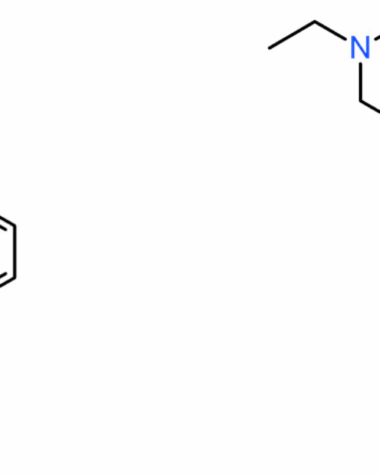

Tamoxifen is an oral medication classified as a selective estrogen receptor modulator (SERM) that has been used in breast cancer treatment since receiving FDA approval in 1977. It is prescribed for both male and female patients diagnosed with estrogen receptor-positive breast cancer, which accounts for approximately 70% of all breast cancer cases. The drug functions by competitively binding to estrogen receptors in breast tissue, preventing endogenous estrogen from stimulating tumor growth.
In hormone receptor-positive breast cancers, estrogen acts as a growth factor that promotes cellular proliferation. Tamoxifen’s antagonistic action at these receptor sites effectively blocks this growth signal, thereby inhibiting tumor progression and reducing the risk of cancer recurrence. Clinical studies have demonstrated tamoxifen’s efficacy in reducing breast cancer mortality by approximately 30% and decreasing recurrence rates by 40% when used as adjuvant therapy.
The medication is typically prescribed for a duration of 5-10 years following initial cancer treatment, depending on individual patient factors and current treatment guidelines.
Key Takeaways
- Tamoxifen is a medication primarily used to treat and prevent hormone receptor-positive breast cancer.
- It works by blocking estrogen receptors, inhibiting cancer cell growth fueled by estrogen.
- Tamoxifen reduces the risk of breast cancer recurrence and lowers the chance of developing new breast cancers.
- Side effects can occur, making adherence to treatment and medical supervision crucial for effectiveness.
- Research continues to explore Tamoxifen’s potential in treating other cancers and preserving fertility in young patients.
How does Tamoxifen work?
Tamoxifen functions by binding to estrogen receptors on cells. This binding prevents estrogen from attaching to these receptors. Consequently, it disrupts the signaling pathways that lead to tumor growth.
The drug mimics estrogen in some tissues while blocking it in others, which is why it is classified as a SERM. The dual action of Tamoxifen allows it to have both agonistic and antagonistic effects. In breast tissue, it acts as an antagonist, inhibiting cancer cell proliferation.
However, in other tissues like bone and the uterus, it can act as an agonist, promoting beneficial effects such as bone density maintenance.
Tamoxifen as a treatment for breast cancer

Tamoxifen has proven effective in treating early-stage and metastatic breast cancer. For early-stage patients, it often follows surgery and radiation therapy. In metastatic cases, it can serve as a primary treatment option.
Many studies have demonstrated its ability to improve survival rates significantly. Patients typically take Tamoxifen for five to ten years, depending on their specific circumstances. This extended duration helps reduce the risk of recurrence.
The drug’s long history of use has provided extensive data on its efficacy and safety, making it a trusted choice among oncologists.
The benefits of Tamoxifen in preventing breast cancer recurrence
One of the primary benefits of Tamoxifen is its ability to lower the risk of cancer recurrence. Studies show that it can reduce the likelihood of returning cancer by up to 50%. This significant reduction offers hope to many patients who fear the return of their disease.
Additionally, Tamoxifen can improve overall survival rates for patients with hormone receptor-positive breast cancer. By effectively managing the disease, it allows patients to lead healthier lives post-treatment. The drug’s role in preventing recurrence has made it a vital part of breast cancer management strategies.
Tamoxifen’s role in reducing the risk of developing breast cancer
| Metric | Value | Unit | Notes |
|---|---|---|---|
| Drug Class | Selective Estrogen Receptor Modulator (SERM) | – | Used primarily in breast cancer treatment |
| Typical Dosage | 20-40 | mg/day | Oral administration |
| Half-life | 5-7 | days | Long half-life due to active metabolites |
| Bioavailability | Approximately 100 | % | High oral bioavailability |
| Metabolism | Hepatic (CYP2D6, CYP3A4) | – | Metabolized to active metabolites like endoxifen |
| Common Side Effects | Nausea, hot flashes, fatigue | – | Varies by patient |
| Indications | Breast cancer (ER-positive), risk reduction | – | Adjuvant and metastatic settings |
| Duration of Treatment | 5-10 | years | Depends on clinical guidelines and patient response |
Tamoxifen also plays a crucial role in breast cancer prevention for high-risk individuals. Women with a family history of breast cancer or genetic mutations may benefit from taking Tamoxifen as a preventive measure. Research indicates that it can significantly lower the incidence of breast cancer in these populations.
The drug’s preventive capabilities extend beyond just those with a family history. Women with atypical hyperplasia or lobular carcinoma in situ may also find Tamoxifen beneficial. By reducing their risk, Tamoxifen provides an additional layer of protection against developing breast cancer.
Understanding the side effects of Tamoxifen

Like any medication, Tamoxifen comes with potential side effects. Common side effects include hot flashes, mood swings, and fatigue. Some patients may also experience nausea or changes in menstrual cycles.
More serious side effects can occur but are less common. These include an increased risk of blood clots and uterine cancer.
Patients should discuss these risks with their healthcare providers to make informed decisions about their treatment options.
Tamoxifen’s impact on hormone receptor-positive breast cancer
Tamoxifen specifically targets hormone receptor-positive breast cancers, which rely on estrogen for growth. This targeted approach allows for more effective treatment compared to traditional chemotherapy. By focusing on the hormonal aspect, Tamoxifen can minimize damage to healthy cells.
The impact of Tamoxifen on hormone receptor-positive cancers has been profound. Many patients experience significant tumor shrinkage or stabilization while on the medication. This targeted therapy has revolutionized how oncologists approach treatment for this type of breast cancer.
Tamoxifen and its potential for treating other types of cancer
While primarily used for breast cancer, researchers are exploring Tamoxifen’s potential in treating other cancers. Some studies suggest it may be effective against endometrial and ovarian cancers due to its hormonal properties. Ongoing research continues to investigate these possibilities.
The versatility of Tamoxifen as a treatment option highlights its importance in oncology.
This potential could lead to expanded treatment options for various malignancies.
The importance of adherence to Tamoxifen treatment
Adherence to Tamoxifen treatment is crucial for maximizing its benefits. Patients must take the medication consistently to achieve optimal results. Missing doses can lead to reduced effectiveness and increased risk of recurrence.
Healthcare providers often emphasize the importance of sticking to the prescribed regimen. They may offer support through counseling or reminders to help patients stay on track. Ensuring adherence can significantly impact long-term outcomes for those undergoing treatment.
Tamoxifen’s role in fertility preservation for young breast cancer patients
For young women diagnosed with breast cancer, fertility preservation becomes a critical concern. Tamoxifen offers a unique advantage in this area. Unlike some chemotherapy agents, it does not have the same detrimental effects on ovarian function.
Many young patients can continue their reproductive plans after completing Tamoxifen treatment. This aspect provides hope and reassurance during a challenging time. Fertility preservation options, combined with Tamoxifen therapy, allow women to consider their future family plans.
The future of Tamoxifen research and development
Research into Tamoxifen continues to evolve as scientists seek to enhance its effectiveness further. Ongoing studies aim to identify biomarkers that predict which patients will benefit most from the drug. This personalized approach could lead to more tailored treatments in the future.
Additionally, researchers are exploring combination therapies involving Tamoxifen and other agents. These combinations may enhance its efficacy and reduce side effects. The future of Tamoxifen research holds promise for improving outcomes for breast cancer patients worldwide.