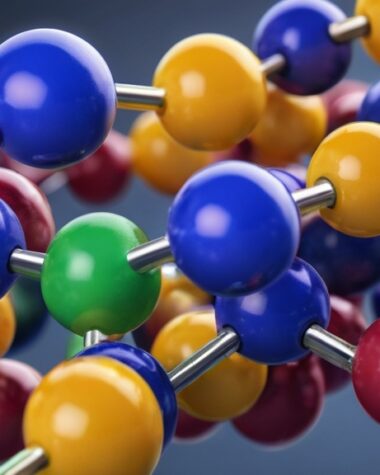

Scientists explore peptides for potential health applications. One such peptide is TB-500. It is a synthetic version of a naturally occurring protein. This protein plays roles in cell migration and repair. Research investigates its mechanisms and effects in various contexts.
TB-500 is a fragment of thymosin beta-4. Thymosin beta-4 is a protein found in most tissues of the body. It consists of 43 amino acids. TB-500 specifically refers to a synthetic peptide that mimics some functions of thymosin beta-4. Its structure is designed to interact with cellular processes involved in healing and repair.
The Underlying Protein: Thymosin Beta-4
Thymosin beta-4 is abundant in cells. It influences actin, a key component of the cell’s internal structure. This protein helps cells move and change shape. Such abilities are critical for tissue formation and repair throughout the body. It is present in high concentrations in areas undergoing repair.
TB-500’s Composition and Synthesis
TB-500 is a laboratory-created peptide. It is synthesized through precise chemical processes. These processes assemble the specific amino acid sequence. The goal is to replicate the beneficial actions of natural thymosin beta-4. Its development is rooted in understanding protein functions.
Mechanisms of Action: The Science at Play
TB-500’s proposed actions are diverse. It is thought to promote cell migration. This movement is essential for tissue repair. It may also influence inflammation. Reducing inflammation can support healing. Angiogenesis, the formation of new blood vessels, is another area of interest.
Cell Migration and Repair
Cells need to move to injured sites. This movement is called cell migration. TB-500 may enhance this process. It could help cells reach damaged tissue more effectively. This supports the overall repair process. It’s a fundamental step in wound healing.
Inflammation Modulation
Inflammation is a natural response to injury. However, excessive or prolonged inflammation can hinder healing. Research suggests TB-500 might help regulate inflammatory responses. This could create a more favorable environment for tissue repair. It’s a complex biological balance.
Angiogenesis and Blood Vessel Formation
New blood vessels are vital for healing. They deliver oxygen and nutrients. They also remove waste products. TB-500 is theorized to promote angiogenesis. This means it could help grow new blood supply to damaged areas. This supports tissue regeneration.
Preclinical Research and TB-500
Much of the initial research on TB-500 occurred in laboratory settings. This includes studies on cells in culture and animal models. These studies help scientists understand potential effects. They can provide clues about where a peptide might be useful.
In Vitro Studies: Cells in the Lab
Studies using cells in petri dishes explore TB-500’s direct effects. These experiments can reveal how TB-500 interacts with cellular machinery. Researchers observe changes in cell behavior, such as movement or gene expression. These early findings guide further investigation. They are foundational steps in peptide research.
Animal Model Investigations
Animal studies offer a more complex biological system. Researchers have used various animal models to test TB-500. These studies examine effects on wound healing, tissue regeneration, and other physiological processes. The findings from these models are significant. They help predict potential actions in humans. However, animal results do not always translate directly to humans.
Wound Healing in Animal Models
Animal studies have examined TB-500’s impact on wound repair. Some research indicates accelerated healing in certain animal models. This is often associated with improved tissue formation. The mechanisms proposed include enhanced cell activity. These findings are promising for preclinical understanding.
Tissue Regeneration in Animal Studies
Beyond simple wounds, animal research looks at tissue regeneration. This involves rebuilding damaged or lost tissue. TB-500 has been investigated for its potential to support this process. Studies focus on its influence on cellular proliferation and differentiation. These are complex biological events.
Cardiovascular Research in Animals
Some animal research has explored TB-500’s role in cardiovascular health. Investigations look at its effects on heart tissue after injury. These studies aim to understand if it can protect cardiac cells. It is a highly complex organ system.
Insights from Early Human Trials and Reviews

While much research is preclinical, some human studies exist. These are vital for understanding human safety and potential effects. Early-phase trials focus on safety and tolerance. They assess how the body handles the compound.
Phase I Trials: Safety Assessment
Phase I clinical trials are the first step in human testing. Their primary goal is to evaluate safety. They determine the highest dose humans can tolerate. They also identify common side effects. One review noted that TB-4 showed safety in a Phase I trial. This involved 84 volunteers and identified no toxicities.
Emerging Human Data and Applications
Beyond initial safety, some human trials explore therapeutic potential. These are often small studies. They look for initial signs of effectiveness. Areas like heart health and eye conditions have been subjects of investigation.
Cardiac Repair Post-Myocardial Infarction
Following a heart attack, the heart muscle can be damaged. Clinical trials have explored TB-4 for cardiac repair. Promising safety has been reported in Phase I/II trials. These trials focus on individuals who have experienced a myocardial infarction. The aim is to understand if it can aid in recovery. However, human evidence in this area remains limited.
Eye Health and Conditions
Research has touched upon eye health benefits. TB-4 has been studied for its potential to alleviate dry eye symptoms. It has also been examined for reducing inflammation in the eyes. These studies aim to assess its impact on ocular comfort and health. More extensive human data is needed in this area.
Accelerated Wound Healing in Humans
The idea of faster wound healing in humans is a significant interest. While animal data is suggestive, robust human clinical evidence for TB-500 specifically accelerating wound healing in a general population is limited. Research continues to explore this potential.
Safety and Regulatory Considerations
Understanding the safety profile of any substance is crucial. Regulatory bodies oversee the approval of medications and treatments. TB-500 has specific considerations in this regard.
Known Side Effects and Tolerance
In general, TB-500 has been reported as well-tolerated. Common side effects noted are typically mild. These may include fatigue or local reactions at the injection site. These are observed in some individuals receiving the peptide. It is important to consult healthcare professionals.
Regulatory Status: FDA and Beyond
TB-500 is not currently approved by the U.S. Food and Drug Administration (FDA). This means it has not undergone the full review process for safety and efficacy. Its use is largely based on preclinical and animal data. It is not considered a conventional medical treatment.
Research Context and Future Directions
Ongoing research aims to further understand TB-500. Scientists continue to investigate its molecular actions. They also seek to clarify its potential applications. The focus remains on rigorous scientific inquiry. Future directions will depend on further study outcomes.
Metabolism and Metabolites
Recent research is exploring how TB-500 is processed by the body. A 2024 study by Rahaman et al. suggests something interesting. It indicates that wound-healing effects might stem from a metabolite. This metabolite is named Ac-LKKTE. This challenges previous assumptions. It implies the parent TB-500 peptide might not be the sole active agent. This finding highlights the complexity of drug metabolism.
Synergy with Other Compounds
Sometimes, peptides are explored in combination. This is done to see if they enhance each other’s effects. TB-500 is sometimes combined with another peptide called BPC-157. The idea is to achieve synergistic recovery. This means the combined effect could be greater than individual effects. This is still an area of active exploration.
BPC-157: A Common Pairing
BPC-157 is another peptide that has gained attention. It is studied for its potential to aid in healing. The combination of TB-500 and BPC-157 is noted in some contexts. This pairing is often discussed as a strategy for recovery processes. More research is needed to fully understand this synergy.
The Importance of Qualified Medical Guidance
It is essential to emphasize that TB-500 is not a drug approved for general medical use. Individuals considering any peptide therapy should consult with a qualified healthcare professional. They can provide current information and personalized advice. Self-treating and using unapproved substances can carry risks. Always prioritize evidence-based medical guidance.
Current Scientific Understanding and Limitations
| Property | Value |
|---|---|
| Formula | C212H350N56O78S |
| Molecular Weight | 4963.4408 g/mol |
| Synonyms | Thymosin Beta-4, TB-500 |
| Half-life | Up to 7 days |
The scientific community continues to evaluate TB-500. Its potential benefits are based on ongoing investigations. It is important to acknowledge current limitations.
Distinguishing Theory from Evidence
Much of the discussion around TB-500 involves theoretical possibilities. These are based on its known interactions with biological systems. Preclinical data from in vitro and animal studies provides more concrete findings. However, robust human clinical evidence is still developing. It is crucial to differentiate between these levels of evidence.
What Human Trials Tell Us So Far
As noted, Phase I trials have indicated a good safety profile for TB-4. This involved assessing tolerability in healthy volunteers. Limited human trial data exists for specific therapeutic outcomes. For instance, while promising, cardiac repair data in humans is not exhaustive. More extensive clinical trials are necessary.
The Role of Peptides in Research
Peptides are a dynamic area of scientific research. They offer precise molecular tools. Their investigation can lead to new insights. TB-500 represents one example of this exploration. The scientific process requires careful validation. This ensures that potential benefits are fully understood.
Independent Research and Academic Institutions
Research on TB-500 and related peptides is conducted by various academic institutions. These independent studies contribute to the body of knowledge. They undergo peer review. This process helps ensure scientific rigor. It allows the findings to be scrutinized by other experts.
Conclusion: A Peptide Under Scientific Scrutiny
TB-500 is a synthetic peptide with a structure based on thymosin beta-4. It is being investigated for its potential roles in cell migration, inflammation modulation, and tissue repair. Preclinical research in cell cultures and animal models has provided initial insights. These studies suggest various potential applications.
Early human trials, particularly Phase I studies of TB-4, have shown a favorable safety profile with no significant toxicities reported. There are ongoing explorations into its potential for cardiac repair and eye health. However, extensive human clinical evidence for many proposed benefits remains limited.
Recent research is also exploring TB-500’s metabolism. Findings suggest a metabolite might be responsible for some observed effects. The regulatory status of TB-500 is a key consideration. It is not approved by major regulatory bodies like the FDA. Its use is primarily based on preclinical and animal data.
Individuals should consult healthcare professionals for medical advice. Scientific understanding of TB-500 is evolving. Continued rigorous research is necessary to clarify its role and safety in various contexts.
FAQs
What is TB-500 peptide?
TB-500 peptide is a synthetic version of a naturally occurring peptide present in almost all human and animal cells. It plays a crucial role in building new blood vessels, new small muscle tissue fibers, cell migration, and blood cell reproduction.
What are the potential benefits of TB-500 peptide?
TB-500 peptide has been studied for its potential to promote healing and recovery in various tissues and organs, including muscles, tendons, ligaments, and skin. It may also have anti-inflammatory effects and promote tissue regeneration.
How is TB-500 peptide administered?
TB-500 peptide is typically administered through subcutaneous injection. The dosage and frequency of administration may vary depending on the specific condition being treated and the individual’s response to the peptide.
Is TB-500 peptide legal?
TB-500 peptide is not approved for human use by the FDA and is classified as a research chemical. It is not intended for human consumption and is only available for research purposes.
Are there any potential side effects of TB-500 peptide?
While TB-500 peptide is generally well-tolerated, some potential side effects may include temporary redness or discomfort at the injection site. As with any peptide or medication, it is important to consult with a healthcare professional before use.