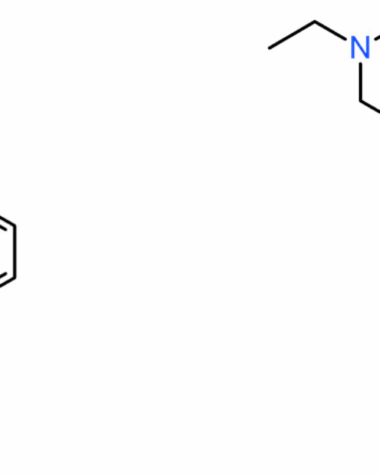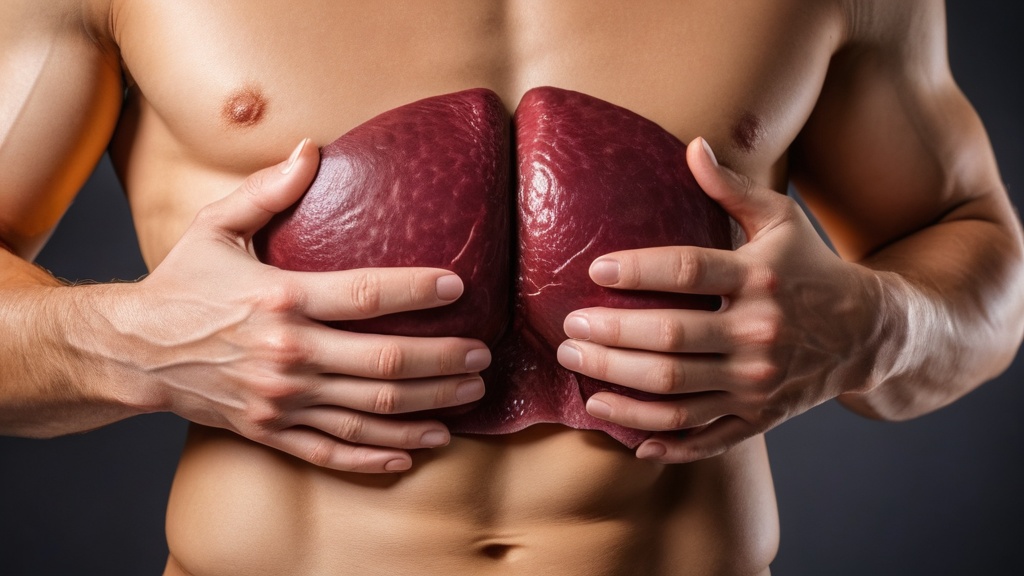

Selective Estrogen Receptor Modulators (SERMs) play a significant role in various health aspects, including liver health. These compounds interact with estrogen receptors, influencing how the body responds to estrogen. By modulating these receptors, SERMs can help maintain hormonal balance, which is crucial for liver function.
Research shows that SERMs can positively impact liver metabolism. They may help regulate fat storage and glucose levels in the liver. This regulation is vital for preventing conditions like fatty liver disease, which can lead to more severe liver issues over time.
Key Takeaways
- SERMs play a significant role in protecting and supporting liver function.
- Maintaining liver health is crucial for overall well-being and disease prevention.
- Combining SERMs with healthy lifestyle changes, including diet and exercise, enhances liver protection.
- Monitoring liver function regularly is important to manage potential side effects of SERMs.
- Consulting healthcare professionals ensures personalized and safe management of liver health with SERM use.
The Importance of Liver Health in Overall Well-being
Liver health is essential for overall well-being. The liver performs numerous functions, including detoxification, metabolism, and nutrient storage. A healthy liver ensures that the body operates efficiently and effectively.
When the liver functions optimally, it supports other bodily systems. It helps maintain energy levels and regulates hormones. Poor liver health can lead to fatigue, hormonal imbalances, and various diseases, affecting quality of life.
How SERMs Help in Protecting Liver Function
SERMs contribute to liver protection through their unique mechanisms. They can reduce inflammation and oxidative stress in liver tissues. This action helps prevent damage from free radicals and other harmful substances.
Additionally, SERMs may improve lipid profiles in the liver. By promoting healthy cholesterol levels, they support overall liver function. This protective effect is crucial for maintaining long-term liver health and preventing chronic diseases.
Common Liver Health Issues and the Role of SERMs in Prevention
Several common liver health issues can arise from poor lifestyle choices or genetic predispositions. Fatty liver disease, hepatitis, and cirrhosis are among the most prevalent conditions. SERMs can play a preventive role in these cases by promoting healthier liver function.
For instance, studies suggest that SERMs may help reduce the risk of non-alcoholic fatty liver disease (NAFLD). By improving insulin sensitivity and reducing fat accumulation, they can mitigate the development of this condition. Early intervention with SERMs may prevent more severe liver complications down the line.
Lifestyle Changes to Support Liver Health in Conjunction with SERM Use
| Metric | Description | Effect of SERMs | Notes |
|---|---|---|---|
| ALT (Alanine Aminotransferase) | Enzyme indicating liver cell injury | May increase mildly in some cases | Monitor for hepatotoxicity during treatment |
| AST (Aspartate Aminotransferase) | Enzyme indicating liver damage | Occasional mild elevation reported | Elevation usually reversible upon discontinuation |
| Alkaline Phosphatase (ALP) | Enzyme related to bile duct function | Generally unaffected or slight increase | Significant changes rare with SERMs |
| Serum Bilirubin | Indicator of liver excretory function | Usually remains within normal range | Elevations may indicate cholestasis |
| Hepatic Steatosis | Fat accumulation in liver cells | Some SERMs may reduce fat accumulation | Potential benefit in non-alcoholic fatty liver disease |
| Fibrosis Markers | Indicators of liver scarring | Limited data; some SERMs may have antifibrotic effects | Further research needed |
| Liver Function Tests (LFTs) | Panel assessing overall liver health | Regular monitoring recommended during SERM therapy | Early detection of adverse effects |
In addition to using SERMs, adopting a healthy lifestyle is crucial for liver health. A balanced diet rich in fruits, vegetables, and whole grains supports liver function. Limiting processed foods and sugars can also help maintain optimal liver health.
Regular physical activity complements SERM use effectively.
Together with SERMs, these lifestyle changes can significantly enhance liver health and overall well-being.
Potential Side Effects of SERMs on Liver Health

While SERMs offer many benefits, they may also have side effects on liver health. Some individuals may experience elevated liver enzymes during treatment. This elevation can indicate stress on the liver and requires monitoring.
Other potential side effects include gastrointestinal issues and hormonal fluctuations. These effects vary among individuals and depend on specific SERM types. It’s essential to discuss any concerns with a healthcare professional to ensure safe use.
Monitoring Liver Function While Using SERMs
Regular monitoring of liver function is vital for anyone using SERMs. Healthcare providers often recommend routine blood tests to assess liver enzyme levels. These tests help identify any potential issues early on.
Monitoring allows for timely adjustments to treatment plans if necessary. If liver enzyme levels rise significantly, a healthcare provider may suggest alternative therapies or lifestyle changes. Staying proactive about liver health ensures better outcomes while using SERMs.
The Role of Diet and Nutrition in Supporting Liver Health with SERMs
Diet plays a crucial role in supporting liver health alongside SERM therapy. Consuming foods rich in antioxidants can help combat oxidative stress in the liver. Berries, leafy greens, and nuts are excellent choices for promoting liver function.
Hydration is equally important for maintaining liver health. Drinking plenty of water aids in detoxification processes. A well-balanced diet combined with adequate hydration enhances the protective effects of SERMs on the liver.
Exercise and Liver Health: How Physical Activity Can Support SERM Therapy
Physical activity significantly impacts liver health and complements SERM therapy effectively. Regular exercise helps maintain a healthy weight, reducing the risk of fatty liver disease. It also improves insulin sensitivity, which is crucial for metabolic health.
Engaging in aerobic exercises, such as walking or cycling, benefits overall cardiovascular health as well. Strength training can also support muscle mass and metabolism. Together with SERMs, exercise creates a comprehensive approach to enhancing liver function.
Managing Other Medications and Supplements for Liver Health While Using SERMs
When using SERMs, managing other medications and supplements is essential for liver health. Some drugs may interact negatively with SERMs, affecting their efficacy or increasing side effects. Always inform healthcare providers about all medications being taken.
Certain supplements can also impact liver function when combined with SERMs. For example, some herbal supplements may cause liver toxicity or interfere with SERM metabolism. Consulting a healthcare professional ensures safe management of all treatments.
Consulting with a Healthcare Professional for Personalized Liver Health and SERM Management
Consulting with a healthcare professional is crucial for personalized management of liver health while using SERMs. They can provide tailored advice based on individual health needs and conditions. Regular check-ups allow for adjustments to treatment plans as necessary.
Healthcare providers can also offer guidance on lifestyle changes that support liver health. They may recommend specific dietary adjustments or exercise routines tailored to individual circumstances. This collaborative approach enhances the effectiveness of SERM therapy while promoting overall well-being.