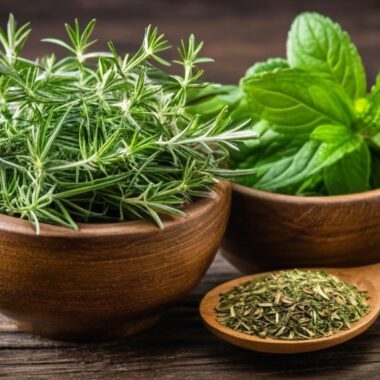

Plant-based adaptogens are natural substances that help the body adapt to stress. They come from various plants and herbs, each offering unique benefits. These compounds enhance the body’s resilience, promoting balance and stability in response to physical and mental challenges.
Adaptogens have gained popularity in recent years, especially among athletes and fitness enthusiasts. They can improve performance, reduce fatigue, and support overall well-being. By incorporating these natural remedies into daily routines, individuals can experience enhanced vitality and endurance.
Key Takeaways
- Plant-based adaptogens are natural substances that can help the body adapt to stress and improve overall well-being.
- Adaptogens can play a role in strength training by supporting energy levels, reducing fatigue, and enhancing physical performance.
- Popular plant-based adaptogens for strength athletes include ashwagandha, rhodiola rosea, and ginseng.
- There is some evidence to suggest that plant-based adaptogens can improve strength and endurance in athletes, but more research is needed.
- Plant-based adaptogens can support recovery in strength athletes by reducing inflammation, promoting muscle repair, and aiding in stress management.
The Role of Adaptogens in Strength Training
Adaptogens play a crucial role in strength training by helping the body manage stress. Intense workouts can lead to physical and mental fatigue, which may hinder performance. Adaptogens can mitigate these effects, allowing athletes to push through challenging sessions.
Moreover, these compounds can enhance recovery after strenuous workouts. By reducing cortisol levels, adaptogens help maintain hormonal balance. This balance is essential for muscle growth and overall athletic performance.
Popular Plant-Based Adaptogens for Strength Athletes
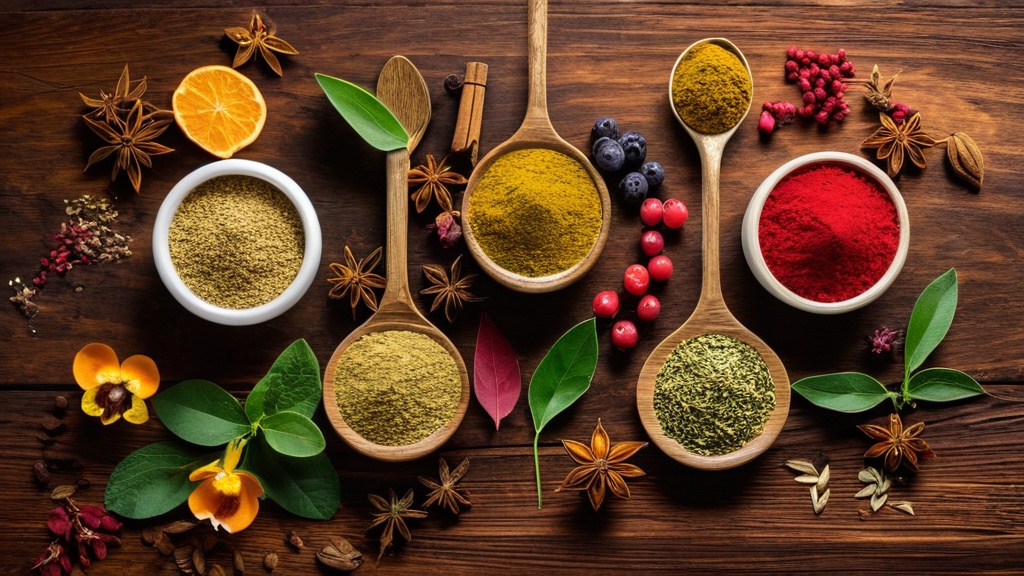
Several plant-based adaptogens stand out for their benefits to strength athletes. Ashwagandha is one of the most well-known adaptogens. It helps reduce stress and anxiety while improving strength and muscle mass.
Rhodiola rosea is another popular choice among athletes. It enhances endurance and reduces fatigue during workouts. Additionally, ginseng offers energy-boosting properties, making it a favorite for those looking to improve their performance.
The Evidence for Plant-Based Adaptogens in Strength Training
Research supports the use of plant-based adaptogens in strength training. Studies show that ashwagandha can significantly increase muscle strength and size. Participants who took ashwagandha experienced greater gains compared to those who did not.
Rhodiola rosea also shows promise in enhancing athletic performance. Research indicates that it can improve endurance and reduce perceived exertion during exercise. These findings suggest that adaptogens can play a vital role in optimizing strength training outcomes.
How Plant-Based Adaptogens Can Support Recovery
Recovery is a critical aspect of any strength training program. Plant-based adaptogens can facilitate this process by reducing inflammation and promoting muscle repair. They help the body recover faster after intense workouts, allowing athletes to train more effectively.
Additionally, adaptogens can improve sleep quality, which is essential for recovery. Quality sleep supports muscle growth and overall health. By incorporating adaptogens into their routine, athletes can enhance their recovery and performance.
Potential Side Effects and Risks of Plant-Based Adaptogens

While plant-based adaptogens offer numerous benefits, they may also have side effects. Some individuals may experience digestive issues or allergic reactions. It’s essential to monitor how your body responds when trying a new adaptogen.
Moreover, not all adaptogens are suitable for everyone. Pregnant or nursing women should exercise caution when using these substances. Always consult a healthcare professional before starting any new supplement regimen.
How to Incorporate Plant-Based Adaptogens into Your Strength Training Routine
Incorporating plant-based adaptogens into your routine can be simple and effective. Start by selecting one or two adaptogens that align with your goals. For example, if you seek stress relief, consider ashwagandha or rhodiola rosea.
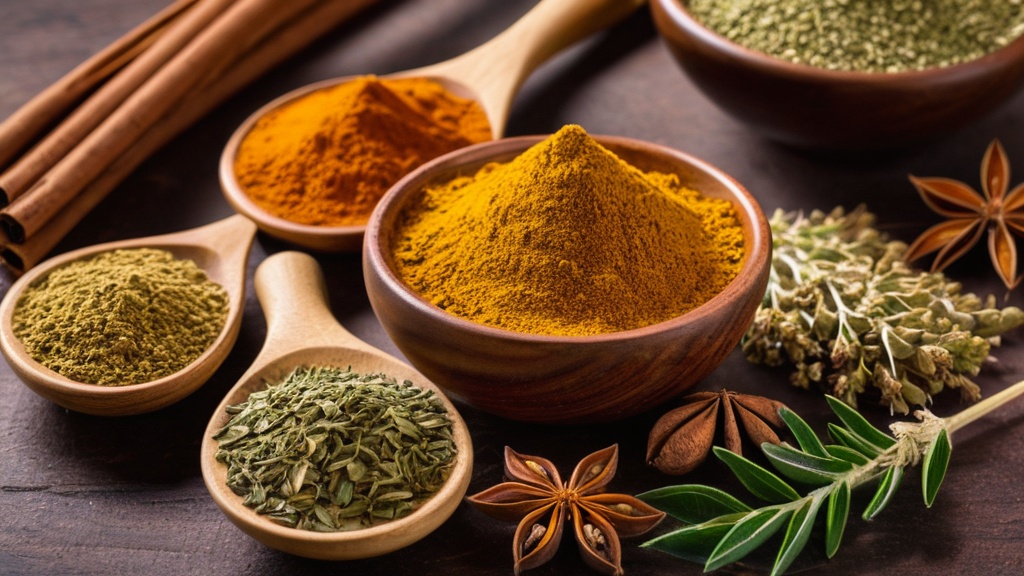
You can consume adaptogens in various forms, such as capsules, powders, or teas.
Consistency is key; make them a regular part of your training regimen for optimal results.
The Importance of Quality and Dosage When Using Plant-Based Adaptogens
Quality matters when choosing plant-based adaptogens. Look for products from reputable brands that provide third-party testing results. This ensures that you receive a pure and potent product without harmful additives.
Dosage also plays a crucial role in effectiveness. Follow the recommended guidelines on product labels or consult a healthcare professional for personalized advice. Proper dosing maximizes benefits while minimizing potential side effects.
Combining Plant-Based Adaptogens with Other Supplements for Strength Training
Combining plant-based adaptogens with other supplements can enhance their effects. For instance, pairing ashwagandha with protein powder may support muscle growth while reducing stress levels. This combination can create a synergistic effect that boosts overall performance.
Some combinations may lead to unwanted side effects or interactions. Always research potential interactions and consult a healthcare professional before combining supplements.
The Future of Plant-Based Adaptogens in Strength Athletics
The future of plant-based adaptogens in strength athletics looks promising. As more athletes seek natural alternatives to enhance performance, interest in these compounds will likely grow. Ongoing research will continue to uncover new benefits and applications for adaptogens in sports nutrition.
Moreover, the trend toward holistic health will drive further exploration of plant-based solutions. Athletes will increasingly turn to nature for support in their training regimens. This shift may lead to innovative products that combine adaptogens with other natural ingredients.
Consultation with a Health Professional Before Using Plant-Based Adaptogens
Before incorporating plant-based adaptogens into your routine, consult a healthcare professional. They can help you determine which adaptogens suit your needs and goals best. A professional can also guide you on proper dosages and potential interactions with other medications.
Taking this precaution ensures you make informed decisions about your health and performance. Prioritizing safety will help you maximize the benefits of plant-based adaptogens while minimizing risks. Always remember that individual responses may vary, so personalized advice is invaluable.
In conclusion, plant-based adaptogens offer numerous benefits for strength athletes seeking to enhance performance and recovery. By understanding their role and incorporating them wisely, athletes can unlock their full potential while maintaining overall health and well-being.
FAQs
What are adaptogens?
Adaptogens are a class of herbs and mushrooms that are believed to help the body adapt to stress and promote overall well-being. They are thought to have a balancing effect on the body’s stress response system.
What are some examples of plant-based adaptogens?
Some examples of plant-based adaptogens include ashwagandha, rhodiola, holy basil, and ginseng. These herbs have been used in traditional medicine systems such as Ayurveda and Traditional Chinese Medicine for centuries.
How do adaptogens benefit strength athletes?
Adaptogens are believed to help improve the body’s ability to handle physical and mental stress, which can be beneficial for strength athletes who undergo intense training regimens. They are also thought to support overall energy levels, endurance, and recovery.
What is the evidence for the effectiveness of plant-based adaptogens for strength athletes?
While there is some evidence from animal and human studies to support the potential benefits of adaptogens for physical performance and recovery, more research is needed to fully understand their effects on strength athletes. Some studies have shown improvements in endurance, muscle strength, and recovery, but results can vary.
Are there any potential risks or side effects associated with plant-based adaptogens?
Plant-based adaptogens are generally considered safe for most people when taken in recommended doses. However, some individuals may experience side effects such as digestive issues, insomnia, or allergic reactions. It’s important to consult with a healthcare professional before adding adaptogens to your regimen, especially if you have any underlying health conditions or are taking medications.