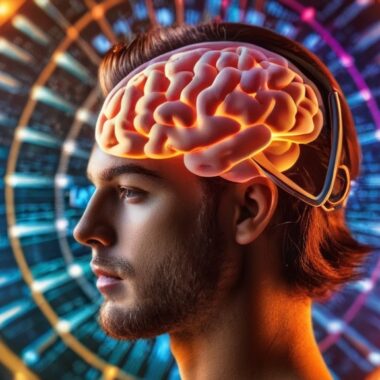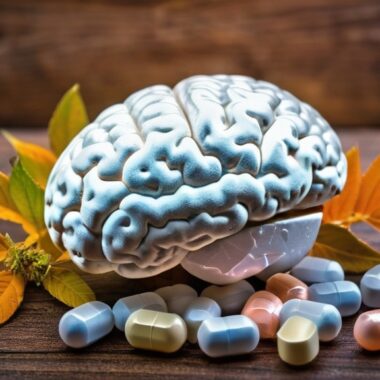

Cognitive decline poses a significant challenge for masters athletes. As they age, these athletes often experience changes in memory, attention, and decision-making abilities. This decline can impact their performance and overall quality of life.
Understanding cognitive decline is crucial for masters athletes. It allows them to take proactive steps to maintain their mental sharpness. By addressing this issue, they can continue to enjoy their sport and stay competitive.
Key Takeaways
- Cognitive decline is a concern for masters athletes as they age, impacting their performance and quality of life.
- Nootropics may support cognitive function by enhancing memory, focus, and mental clarity in aging athletes.
- Proper nutrition, regular exercise, adequate sleep, and stress management are crucial for maintaining cognitive health.
- While some nootropics show promise, potential risks and side effects necessitate careful consideration and professional consultation.
- Ongoing research is essential to better understand the effectiveness and safety of nootropics for cognitive decline prevention in masters athletes.
Understanding the Role of Nootropics in Cognitive Function
Nootropics, often called smart drugs, enhance cognitive function. They can improve memory, creativity, and motivation. Many athletes explore these substances to boost their mental performance.
Research shows that nootropics may help combat cognitive decline. They can support brain health and improve focus. This makes them appealing for masters athletes looking to maintain their edge.
The Impact of Aging on Cognitive Function in Athletes

Aging affects cognitive function in various ways. Masters athletes may notice slower processing speeds and reduced working memory. These changes can hinder their ability to strategize during competitions.
Moreover, aging can lead to increased mental fatigue. Athletes might find it harder to concentrate during training sessions. Understanding these effects helps athletes adapt their training and recovery strategies.
The Potential Benefits of Nootropics for Masters Athletes
Nootropics offer several potential benefits for masters athletes. They may enhance focus and mental clarity during competitions. Improved cognitive function can lead to better decision-making on the field or court.
Additionally, nootropics may help with recovery after intense training sessions. By supporting brain health, they can reduce mental fatigue. This allows athletes to train harder and recover faster.
Common Nootropics Used for Cognitive Decline Prevention
Several nootropics are popular among those seeking cognitive enhancement. Caffeine is one of the most widely used substances. It boosts alertness and improves focus, making it a favorite among athletes.
Another common nootropic is L-theanine. This amino acid promotes relaxation without drowsiness. It pairs well with caffeine, enhancing focus while reducing jitters.
Other nootropics include Bacopa monnieri and Rhodiola rosea. Bacopa supports memory and learning, while Rhodiola helps combat fatigue and stress. These substances can be valuable tools for masters athletes.
The Importance of Proper Nutrition and Exercise for Cognitive Function

Nutrition plays a vital role in cognitive health. A balanced diet rich in antioxidants, omega-3 fatty acids, and vitamins supports brain function. Masters athletes should prioritize whole foods to fuel both body and mind.
Exercise also significantly impacts cognitive function. Regular physical activity increases blood flow to the brain. This promotes neurogenesis, the growth of new neurons, which is essential for maintaining cognitive health.
The Role of Sleep and Stress Management in Cognitive Decline Prevention
Sleep is crucial for cognitive function and overall health. Quality sleep allows the brain to consolidate memories and process information. Masters athletes should prioritize sleep to enhance their performance.
Stress management is equally important. Chronic stress can lead to cognitive decline over time. Techniques such as mindfulness, meditation, and deep breathing can help athletes manage stress effectively.
The Future of Nootropics Research in Masters Athletes
Research on nootropics continues to evolve. Scientists are exploring new compounds that may enhance cognitive function further. Future studies will likely focus on the long-term effects of these substances on aging athletes.
As interest in nootropics grows, more athletes will seek evidence-based solutions. This research will help clarify which nootropics are most effective for masters athletes. It will also address safety concerns and optimal dosages.
Potential Risks and Side Effects of Nootropics Use
While nootropics offer potential benefits, they also come with risks. Some individuals may experience side effects such as headaches or gastrointestinal issues. Understanding these risks is essential before starting any new supplement.
Additionally, not all nootropics are well-studied or regulated. Athletes must be cautious about the sources of these substances. Ensuring quality and safety should be a top priority.
The Importance of Consulting with a Healthcare Professional Before Using Nootropics
Before using nootropics, consulting a healthcare professional is crucial. They can provide personalized advice based on individual health needs. This step helps ensure safe and effective use of these substances.
Healthcare professionals can also help identify potential interactions with other medications or supplements. Their guidance can prevent adverse effects and promote overall well-being.
Nootropics as a Tool for Cognitive Decline Prevention in Masters Athletes
Nootropics present a promising option for masters athletes facing cognitive decline. They may enhance mental performance and support brain health as athletes age. However, careful consideration is necessary before use.
By combining nootropics with proper nutrition, exercise, sleep, and stress management, masters athletes can optimize their cognitive function. With ongoing research, the future looks bright for those seeking to maintain their mental edge in sports.
FAQs
What is cognitive decline and how does it affect masters athletes?
Cognitive decline refers to the gradual loss of cognitive functions such as memory, attention, and problem-solving skills. In masters athletes—typically individuals aged 35 and older who engage in competitive sports—cognitive decline can impact both athletic performance and daily functioning.
How can physical activity help prevent cognitive decline in masters athletes?
Regular physical activity, including endurance and strength training, has been shown to improve brain health by increasing blood flow, promoting neurogenesis, and reducing inflammation. Masters athletes often benefit from these effects, which can help delay or reduce cognitive decline.
What are nootropics and how might they support cognitive health?
Nootropics are substances, either natural or synthetic, that are believed to enhance cognitive functions such as memory, focus, and mental clarity. Some nootropics may support brain health by improving neurotransmitter function, increasing cerebral blood flow, or providing neuroprotective effects.
Are nootropics safe for use by masters athletes?
The safety of nootropics varies depending on the specific substance, dosage, and individual health conditions. While some natural nootropics like certain vitamins and herbal supplements are generally considered safe, synthetic nootropics may carry risks or side effects. It is important for masters athletes to consult healthcare professionals before using any nootropic.
Can nootropics replace physical exercise in preventing cognitive decline?
No, nootropics should not be considered a replacement for physical exercise. Exercise remains one of the most effective strategies for maintaining cognitive health. Nootropics may serve as a complementary approach but are not a substitute for regular physical activity.
What lifestyle factors besides exercise and nootropics can help prevent cognitive decline?
Other important factors include maintaining a balanced diet rich in antioxidants and omega-3 fatty acids, getting adequate sleep, managing stress, staying socially engaged, and avoiding harmful habits such as smoking and excessive alcohol consumption.
Is there scientific evidence supporting the use of nootropics in cognitive decline prevention?
Some studies suggest potential cognitive benefits of certain nootropics, but the evidence is often limited, mixed, or preliminary. More rigorous clinical trials are needed to establish their efficacy and safety specifically for cognitive decline prevention in masters athletes.
How should masters athletes approach the use of nootropics for cognitive health?
Masters athletes should approach nootropics cautiously, prioritizing evidence-based options and consulting healthcare providers. They should also consider integrating nootropics as part of a holistic approach that includes exercise, nutrition, and other healthy lifestyle practices.