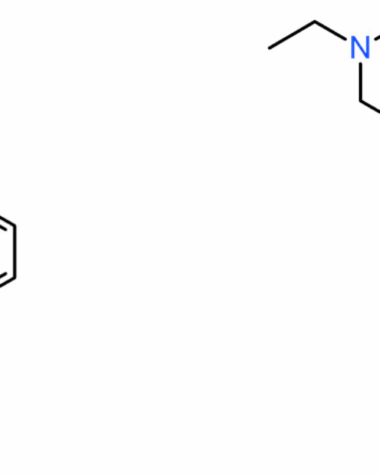

Selective Estrogen Receptor Modulators (SERMs) are pharmacological compounds that interact with estrogen receptors throughout the body in a tissue-specific manner. Unlike estrogen, which uniformly activates receptors across tissues, SERMs exhibit mixed agonist and antagonist properties depending on the target tissue. This selective activity allows SERMs to stimulate estrogen-like effects in certain tissues while blocking estrogenic action in others.
The clinical significance of SERMs stems from their ability to provide targeted therapeutic benefits while reducing unwanted effects. In bone tissue, many SERMs demonstrate agonist activity, helping to maintain bone mineral density and reduce fracture risk. Conversely, in breast tissue, SERMs typically function as antagonists, inhibiting estrogen-stimulated cell proliferation, which makes them valuable in breast cancer prevention and treatment.
Current research continues to expand our understanding of SERM mechanisms and applications, with ongoing clinical trials investigating their potential in various conditions including osteoporosis, cardiovascular disease, and hormone-responsive cancers.
Key Takeaways
- SERMs selectively modulate estrogen receptors, offering targeted therapeutic effects.
- Initially developed for breast cancer, SERMs now have broader medical applications including osteoporosis.
- Recent research focuses on improving SERM efficacy and exploring cardiovascular benefits.
- Challenges remain in minimizing side effects and overcoming resistance to SERM treatments.
- Future directions aim to enhance SERM specificity and expand their use in various diseases.
History of SERMs Research
The journey of SERMs began in the late 20th century. Researchers sought alternatives to traditional estrogen therapies, which often had significant side effects. The first SERM, tamoxifen, emerged in the 1970s as a treatment for breast cancer.
Its success paved the way for further exploration of SERMs. Over the years, scientists developed additional SERMs with varying properties. Each new compound aimed to improve efficacy and reduce adverse effects.
This ongoing research has expanded the applications of SERMs beyond oncology into other areas of medicine.
Mechanism of Action of SERMs

SERMs function by binding to estrogen receptors in specific tissues. This binding can either activate or inhibit receptor activity, depending on the tissue type. For example, tamoxifen acts as an antagonist in breast tissue but functions as an agonist in bone and uterine tissues.
This dual action allows SERMs to provide therapeutic benefits while minimizing risks. By selectively modulating estrogen activity, they can help manage conditions like breast cancer and osteoporosis. Understanding this mechanism is key to developing new SERMs with improved profiles.
Current Uses of SERMs in Medicine
Currently, SERMs are widely used in treating breast cancer. Tamoxifen remains a standard therapy for hormone receptor-positive breast cancer. It significantly reduces the risk of recurrence and improves survival rates.
In addition to oncology, SERMs also play a role in managing osteoporosis. Raloxifene, another well-known SERM, helps maintain bone density in postmenopausal women. These applications highlight the versatility of SERMs in addressing hormone-related health issues.
Advancements in SERMs Research for Breast Cancer Treatment
| Metric | Description | Value / Data | Source / Study |
|---|---|---|---|
| Number of Published Studies (2020-2023) | Total peer-reviewed articles on SERMs research | 1,250+ | PubMed Database |
| Common SERMs Studied | Examples of frequently researched SERMs | Tamoxifen, Raloxifene, Bazedoxifene, Ospemifene | Clinical Trials Reports |
| Primary Research Focus | Key areas of investigation in SERM research | Breast cancer treatment, osteoporosis prevention, cardiovascular effects | Review Articles 2022 |
| Average Clinical Trial Phase | Most common phase of clinical trials for new SERMs | Phase II and III | ClinicalTrials.gov |
| Reported Side Effects | Common adverse effects noted in SERM trials | Hot flashes, thromboembolic events, leg cramps | FDA Drug Safety Communications |
| Marketed SERMs | Number of SERMs approved for clinical use | 5 | FDA Approvals |
| Emerging Research Trends | New directions in SERM research | Selective estrogen receptor degraders (SERDs), tissue-specific modulators | 2023 Research Conferences |
Recent advancements have focused on enhancing the effectiveness of SERMs in breast cancer treatment. Researchers are exploring combination therapies that pair SERMs with other agents. This approach aims to overcome resistance and improve patient outcomes.
Additionally, studies are investigating biomarkers that predict SERM response. Identifying these markers can help tailor treatments to individual patients.
Potential Applications of SERMs in Osteoporosis Treatment

Osteoporosis remains a significant health concern, particularly among postmenopausal women. SERMs like raloxifene offer a promising solution by mimicking estrogen’s protective effects on bones. They help reduce fracture risk and maintain bone density.
Emerging research is exploring new SERM compounds with enhanced efficacy for osteoporosis treatment. These novel agents may provide additional benefits, such as improved safety profiles or better patient adherence. Continued investigation into SERMs could revolutionize osteoporosis management.
Emerging Research on SERMs and Cardiovascular Health
Recent studies have begun to examine the impact of SERMs on cardiovascular health. Some research suggests that certain SERMs may offer protective benefits against heart disease. They could help improve lipid profiles and reduce arterial stiffness.
However, findings remain mixed, and more research is necessary to establish clear connections. Understanding how SERMs influence cardiovascular health could open new avenues for prevention and treatment strategies. This area of research holds promise for enhancing overall health outcomes.
Novel Approaches to Enhancing the Efficacy of SERMs
Researchers are actively seeking ways to enhance SERM efficacy through innovative strategies. One approach involves developing new formulations that improve bioavailability and tissue targeting. These advancements could lead to more effective treatments with fewer side effects.
Another strategy focuses on combining SERMs with other therapeutic agents. This combination could amplify their effects and address resistance mechanisms in diseases like breast cancer. Such novel approaches may significantly improve patient outcomes and expand SERM applications.
Challenges and Limitations in SERMs Research
Despite their potential, SERMs face several challenges in research and clinical application. Variability in patient responses complicates treatment decisions. Not all patients benefit equally from SERM therapy, leading to questions about personalized treatment strategies.
Additionally, long-term safety concerns remain a critical issue. Some studies have linked certain SERMs to increased risks of thromboembolic events or endometrial cancer. Ongoing research must address these limitations to ensure safe and effective use of SERMs.
Future Directions in SERMs Research
The future of SERM research looks promising as scientists continue to explore their potential. Investigating new compounds with improved selectivity and efficacy remains a priority. Researchers aim to develop agents that target specific tissues while minimizing side effects.
Furthermore, integrating advanced technologies like genomics and proteomics could enhance understanding of SERM mechanisms. This knowledge may lead to more personalized treatment approaches tailored to individual patient needs. The future holds exciting possibilities for SERMs in various medical fields.
The Impact of Advancements in SERMs Research
Advancements in SERM research have significantly impacted medicine over the past few decades. These compounds offer targeted therapies for conditions like breast cancer and osteoporosis. As research continues, new applications and improved formulations will likely emerge.
The ongoing exploration of SERMs holds great promise for enhancing patient care and outcomes. By addressing current challenges and limitations, researchers can unlock the full potential of these valuable agents. The future of SERMs looks bright, with the potential to transform treatment paradigms across multiple health domains.