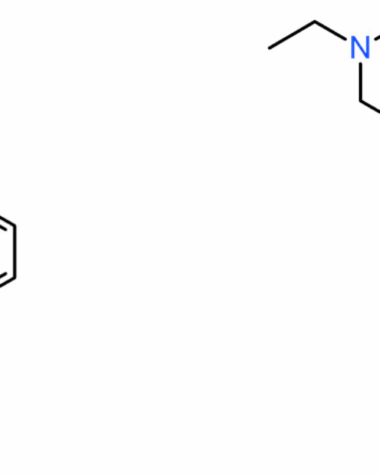

Clomiphene, commonly known as Clomid, is a medication primarily used to treat female infertility. It belongs to the selective estrogen receptor modulator (SERM) class of drugs. Clomiphene works by stimulating ovulation through its action on the hypothalamus, pituitary gland, and ovaries, which increases the release of follicle-stimulating hormone (FSH) and luteinizing hormone (LH).
This medication is typically prescribed for women with anovulation or irregular ovulation, particularly those diagnosed with polycystic ovary syndrome (PCOS). Since receiving FDA approval in 1967, clomiphene has become a first-line treatment for fertility issues due to its effectiveness, relatively low cost, and established safety profile. The standard treatment protocol involves taking clomiphene orally for 5 days during the early part of the menstrual cycle, with dosages typically ranging from 50-150 mg daily.
Key Takeaways
- Clomiphene (Clomid) is a medication used to stimulate ovulation in individuals facing fertility challenges.
- It works by blocking estrogen receptors, prompting the body to increase hormone production that triggers ovulation.
- Proper dosage and monitoring are essential to maximize effectiveness and minimize side effects.
- Combining Clomiphene with other fertility treatments can improve success rates but requires careful medical supervision.
- Potential risks include side effects and an increased chance of multiple pregnancies, so consultation with a healthcare provider is crucial.
How does Clomiphene work in the body?
Clomiphene works by blocking estrogen receptors in the hypothalamus. This action tricks the body into thinking estrogen levels are low. As a result, the hypothalamus signals the pituitary gland to release more follicle-stimulating hormone (FSH) and luteinizing hormone (LH).
Increased FSH and LH levels stimulate the ovaries to produce more follicles and eggs. This process enhances the chances of ovulation and conception. Clomiphene effectively promotes natural hormonal balance, encouraging the body to function optimally.
Who can benefit from using Clomiphene for fertility?

Women with irregular menstrual cycles often benefit from Clomid. Those diagnosed with PCOS frequently experience ovulatory issues, making Clomiphene a suitable option. Additionally, women with unexplained infertility may find success with this medication.
Clomiphene can also assist women who have experienced previous unsuccessful attempts at conception. It provides a non-invasive option before considering more advanced fertility treatments. Many couples find hope through Clomid when facing challenges in starting a family.
Understanding the dosage and administration of Clomiphene
Doctors typically prescribe Clomiphene in pill form, taken orally. The standard starting dose is usually 50 mg per day for five days. Patients often begin taking the medication on the fifth day of their menstrual cycle.
Healthcare providers may adjust the dosage based on individual responses. If ovulation does not occur, doctors might increase the dose in subsequent cycles. Monitoring is essential to ensure safety and effectiveness during treatment.
Potential side effects of Clomiphene
| Metric | Value | Notes |
|---|---|---|
| Generic Name | Clomiphene citrate | Active ingredient in Clomid |
| Brand Name | Clomid | Commonly prescribed fertility drug |
| Indication | Ovulation induction | Used to treat infertility in women |
| Typical Dosage | 50 mg daily for 5 days | Usually started on day 3-5 of menstrual cycle |
| Mechanism of Action | Selective estrogen receptor modulator (SERM) | Stimulates release of FSH and LH |
| Common Side Effects | Hot flashes, ovarian enlargement, mood swings | Generally mild and temporary |
| Success Rate | 60-80% ovulation induction | Pregnancy rates vary, approx. 30-40% |
| Contraindications | Pregnancy, liver disease, uncontrolled thyroid or adrenal dysfunction | Must be evaluated before use |
| Half-life | 5-7 days | Long half-life due to active metabolites |
Like any medication, Clomiphene can cause side effects. Common side effects include hot flashes, mood swings, and breast tenderness. Some women may also experience nausea or headaches during treatment.
In rare cases, Clomid can lead to more severe side effects, such as visual disturbances or ovarian hyperstimulation syndrome (OHSS). Patients should discuss any concerning symptoms with their healthcare provider promptly. Awareness of potential side effects helps ensure a safer treatment experience.
Monitoring and evaluating the response to Clomiphene treatment

Monitoring is crucial during Clomiphene treatment to assess its effectiveness. Doctors often schedule ultrasounds to track follicle development and ovulation timing. Blood tests may also help measure hormone levels throughout the cycle.
Regular evaluations allow healthcare providers to adjust dosages as needed. They can identify any complications early on, ensuring patient safety. This proactive approach enhances the likelihood of successful outcomes.
Combining Clomiphene with other fertility treatments
In some cases, doctors may recommend combining Clomiphene with other fertility treatments. For instance, they might suggest intrauterine insemination (IUI) alongside Clomid.
Additionally, some patients may benefit from using Clomiphene with injectable hormones. This approach can further stimulate ovarian function and improve egg quality. Combining treatments allows for a tailored approach to each patient’s unique situation.
Risks and considerations when using Clomiphene
While Clomiphene is generally safe, certain risks exist. Women with a history of ovarian cysts or liver disease should use caution. Additionally, those with a personal or family history of certain cancers should discuss risks with their doctor.
Long-term use of Clomid may increase the risk of ovarian tumors, although this remains rare. Patients should weigh the benefits against potential risks before starting treatment. Open communication with healthcare providers ensures informed decision-making.
Clomiphene and multiple pregnancies
Clomiphene increases the likelihood of multiple pregnancies, such as twins or triplets. The medication stimulates multiple follicles to develop simultaneously, raising this possibility. While many couples desire multiple children, this outcome can pose risks.
Multiple pregnancies often lead to complications for both mother and babies. These complications may include premature birth and low birth weight. Couples should discuss these risks with their healthcare provider before starting treatment.
Success rates of Clomiphene for fertility
Clomiphene has demonstrated varying success rates depending on individual circumstances. Generally, about 70% of women will ovulate after taking Clomid. Among those who ovulate, approximately 30-40% will conceive within six cycles.
Factors influencing success rates include age, underlying fertility issues, and overall health. Women under 35 tend to have higher success rates compared to older women. Understanding these statistics helps set realistic expectations during treatment.
Discussing Clomiphene treatment with your healthcare provider
Open communication with your healthcare provider is essential when considering Clomiphene treatment. Discuss your medical history, current medications, and any concerns you may have. This information helps your doctor tailor a treatment plan that suits your needs.
Ask questions about potential side effects, monitoring procedures, and success rates specific to your situation. Understanding the process empowers you to make informed decisions about your fertility journey. A collaborative approach fosters trust and enhances treatment outcomes.