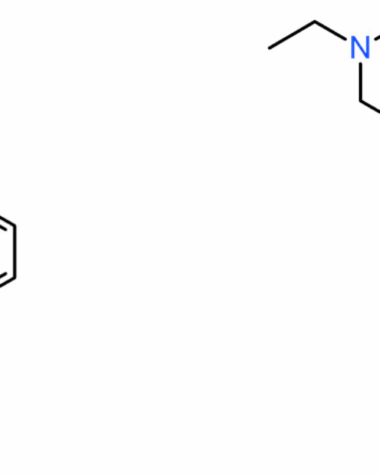

Selective Estrogen Receptor Modulators (SERMs) are pharmaceutical compounds that bind to estrogen receptors and exhibit tissue-specific activity. These molecules function as either estrogen receptor agonists or antagonists depending on the target tissue, demonstrating selective modulation rather than uniform activation or inhibition throughout the body. The clinical significance of SERMs lies primarily in oncology and bone health management.
In breast cancer treatment, SERMs such as tamoxifen act as estrogen antagonists in breast tissue while functioning as partial agonists in bone and cardiovascular tissues. For osteoporosis prevention and treatment, SERMs like raloxifene provide bone-protective effects by mimicking estrogen’s beneficial actions on bone metabolism while avoiding stimulation of breast and endometrial tissues. This tissue-selective mechanism offers therapeutic advantages over conventional hormone replacement therapy by reducing the risk of estrogen-dependent malignancies while maintaining beneficial effects on target tissues.
SERMs represent an important class of medications in evidence-based treatment protocols for hormone-sensitive conditions.
Key Takeaways
- SERMs (Selective Estrogen Receptor Modulators) selectively target estrogen receptors to modulate hormonal effects in the body.
- They are commonly used alongside steroids to manage estrogen-related side effects and maintain hormonal balance.
- Combining SERMs with steroids carries potential risks, including side effects that require careful monitoring.
- Safe incorporation of SERMs into steroid cycles involves proper dosing and timing, ideally under medical supervision.
- Ongoing research is crucial to better understand the interactions and optimize the future use of SERMs in steroid regimens.
How do SERMs work in the body?
SERMs function by binding to estrogen receptors, mimicking or blocking estrogen’s effects. In some tissues, they act like estrogen, promoting beneficial effects. In others, they inhibit estrogen’s action, which can help prevent unwanted growth or proliferation.
For example, in breast tissue, SERMs can block estrogen’s stimulating effects, reducing cancer risk. Conversely, in bone tissue, they can promote bone density by mimicking estrogen’s protective effects. This dual action makes SERMs versatile and effective in various therapeutic contexts.
The role of SERMs in steroid use

Athletes and bodybuilders often use anabolic steroids to enhance performance and muscle growth. However, these steroids can disrupt the body’s natural hormone balance. SERMs play a crucial role in mitigating some of these side effects.
When individuals use steroids, they may experience increased estrogen levels due to aromatization. This can lead to unwanted side effects like gynecomastia.
Understanding the potential risks of combining SERMs with steroids
Combining SERMs with steroids carries potential risks that users should understand. While SERMs can mitigate some side effects, they may also interfere with the desired effects of steroids. This interaction can lead to unpredictable results.
Additionally, using SERMs does not eliminate all risks associated with steroid use. Users may still experience hormonal imbalances or other side effects. Therefore, it is essential to approach this combination with caution and awareness of potential complications.
The benefits of using SERMs with steroids
| Metric | Description | Value/Range | Unit | Notes |
|---|---|---|---|---|
| Binding Affinity (SERMs to Estrogen Receptor) | Strength of SERM binding to estrogen receptor alpha (ERα) | 0.1 – 10 | nM (nanomolar) | Lower values indicate higher affinity |
| Binding Affinity (Steroids to Estrogen Receptor) | Strength of steroid hormone binding to estrogen receptor | 0.01 – 1 | nM | Endogenous estrogens typically have higher affinity |
| Co-activator Recruitment | Effect of SERM-steroid interaction on co-activator protein recruitment | Variable | N/A | Depends on SERM type and steroid presence |
| Antagonistic Effect Percentage | Degree to which SERMs inhibit steroid-induced receptor activation | 30 – 90 | % | Varies by tissue and SERM compound |
| Half-life of SERM | Duration SERM remains active in the body | 24 – 72 | hours | Influences interaction duration with steroids |
| Effect on Steroid Metabolism | Impact of SERMs on steroid hormone metabolism enzymes | Up to 50% inhibition | % enzyme activity | May alter steroid hormone levels indirectly |
Despite the risks, many users find benefits in combining SERMs with steroids. One significant advantage is the reduction of estrogen-related side effects. This allows users to focus on muscle gains without worrying about gynecomastia or water retention.
Moreover, SERMs can help maintain a more balanced hormonal environment during a steroid cycle. This balance can lead to better overall results and improved recovery post-cycle. Users often report enhanced performance and fewer negative side effects when incorporating SERMs effectively.
Commonly used SERMs in conjunction with steroids

Several SERMs are popular among those who use steroids. Tamoxifen and Clomiphene Citrate are two of the most commonly used options. Both have proven effective in managing estrogen-related side effects during steroid cycles.
Tamoxifen primarily blocks estrogen receptors in breast tissue, making it ideal for preventing gynecomastia. Clomiphene Citrate works by stimulating the pituitary gland to produce more luteinizing hormone (LH) and follicle-stimulating hormone (FSH). This action helps restore natural testosterone production after a steroid cycle.
Potential side effects of SERMs when used with steroids
While SERMs offer benefits, they also come with potential side effects. Users may experience hot flashes, mood swings, or nausea when taking these medications. These side effects can vary based on individual sensitivity and dosage.
Additionally, some users may encounter visual disturbances or headaches. It is crucial to monitor any adverse reactions closely and adjust dosages accordingly. Understanding these potential side effects helps users make informed decisions about their steroid cycles.
How to safely incorporate SERMs into a steroid cycle
To safely incorporate SERMs into a steroid cycle, users should follow specific guidelines. First, they must determine the appropriate timing for SERM administration. Starting SERM therapy at the end of a steroid cycle often yields the best results.
Next, users should establish the correct dosage based on their individual needs and experiences. Consulting with knowledgeable sources can provide valuable insights into effective dosing strategies. Finally, regular monitoring of hormonal levels can help ensure a balanced approach throughout the cycle.
The importance of consulting a healthcare professional when using SERMs and steroids
Consulting a healthcare professional is vital when considering the use of SERMs and steroids. A qualified expert can provide personalized advice based on individual health conditions and goals. They can also help identify potential interactions and risks associated with these substances.
Moreover, healthcare professionals can guide users on safe practices and monitoring strategies. This support ensures that users make informed decisions while minimizing health risks associated with steroid use and SERM administration.
Research and studies on the interaction between SERMs and steroids
Research on the interaction between SERMs and steroids continues to evolve. Studies have shown that combining these substances can yield both positive and negative outcomes. Understanding these interactions helps users make informed choices about their use.
Recent studies indicate that while SERMs can mitigate some side effects of steroids, they may also affect overall performance outcomes. Ongoing research aims to clarify these relationships further and provide more comprehensive guidelines for users.
The future of SERMs in steroid use
The future of SERMs in steroid use looks promising as research continues to advance. As more studies emerge, users will gain better insights into effective combinations and dosages. This knowledge will help optimize performance while minimizing risks.
Ultimately, responsible use of SERMs alongside steroids can lead to improved outcomes for athletes and bodybuilders alike. By prioritizing safety and consulting professionals, users can navigate this complex landscape effectively.