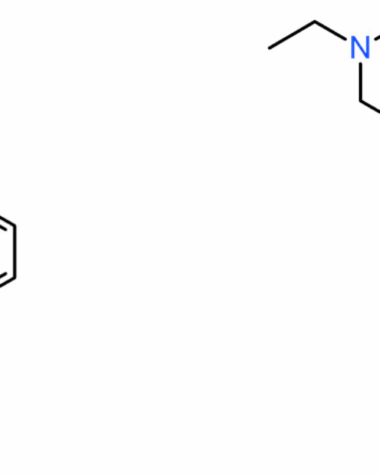

Selective Estrogen Receptor Modulators (SERMs) are a class of pharmaceutical compounds that bind to estrogen receptors throughout the body. These medications exhibit tissue-selective properties, functioning as estrogen agonists in some tissues while acting as antagonists in others. This dual mechanism of action allows SERMs to produce estrogen-like effects in certain organs while blocking estrogenic activity in others.
SERMs are primarily indicated for the treatment and prevention of breast cancer and postmenopausal osteoporosis. In breast tissue, many SERMs act as estrogen antagonists, inhibiting the growth-promoting effects of estrogen on hormone-sensitive breast cancer cells. Conversely, in bone tissue, these compounds typically function as estrogen agonists, helping to maintain bone density and reduce fracture risk.
The tissue-selective nature of SERMs offers therapeutic advantages over conventional hormone replacement therapy by providing targeted benefits while reducing the risk of adverse effects associated with systemic estrogen exposure. This selectivity makes SERMs valuable tools in managing hormone-dependent conditions where the risks and benefits of estrogen activity vary across different organ systems.
Key Takeaways
- SERMs are medications that selectively modulate estrogen receptors to treat various conditions.
- Common side effects include hot flashes, mood swings, vaginal dryness, and changes in bone density.
- Managing symptoms like hot flashes and mood changes often requires lifestyle adjustments and medical support.
- SERMs can increase the risk of blood clots and may affect cholesterol levels and uterine health.
- Regular consultation with healthcare professionals is essential for monitoring side effects and optimizing treatment.
Common side effects of SERMs
Like any medication, SERMs come with potential side effects. Some users report hot flashes, which can be uncomfortable. Others may experience nausea or headaches.
These side effects can vary in intensity from person to person. Additionally, some individuals may notice changes in their menstrual cycle. This can include irregular periods or spotting.
Understanding these side effects helps patients prepare for their treatment journey. Always discuss any concerns with a healthcare provider for personalized advice.
Managing hot flashes and night sweats

Hot flashes and night sweats can disrupt daily life. Many women find these symptoms particularly challenging. Lifestyle changes can help manage these uncomfortable experiences effectively.
Staying cool during the day can alleviate hot flashes. Dress in layers and use fans when necessary. At night, consider breathable fabrics for bedding to reduce night sweats.
Hydration also plays a crucial role in managing body temperature.
Dealing with mood swings and depression
Mood swings and feelings of depression can accompany SERM use. Hormonal fluctuations often contribute to these emotional changes. Recognizing these symptoms is the first step toward managing them.
Engaging in regular physical activity can improve mood significantly. Exercise releases endorphins, which enhance feelings of well-being. Additionally, practicing mindfulness or meditation can help stabilize emotions.
Seeking support from friends or family also provides comfort during challenging times.
Addressing vaginal dryness and discomfort
| Side Effect | Frequency | Description | Severity |
|---|---|---|---|
| Hot Flashes | Common | Sensation of warmth, often with sweating and flushing | Mild to Moderate |
| Leg Cramps | Common | Sudden, involuntary muscle contractions in the legs | Mild to Moderate |
| Venous Thromboembolism (VTE) | Uncommon | Formation of blood clots in veins, potentially serious | Severe |
| Stroke | Rare | Interruption of blood supply to the brain | Severe |
| Endometrial Changes | Uncommon | Thickening or hyperplasia of the uterine lining | Moderate |
| Nausea | Common | Feeling of sickness with an inclination to vomit | Mild |
| Headache | Common | Pain in the head or upper neck | Mild to Moderate |
| Weight Gain | Uncommon | Increase in body weight | Mild |
Vaginal dryness is a common issue for many women on SERMs. This condition can lead to discomfort during intimacy and daily activities. Fortunately, several solutions exist to alleviate this problem.
Using water-based lubricants during intercourse can enhance comfort. Additionally, vaginal moisturizers can provide long-lasting relief. Discussing these options with a healthcare provider ensures personalized recommendations.
Open communication about sexual health is essential for overall well-being.
Managing bone density changes

SERMs play a role in maintaining bone density, especially in postmenopausal women. However, some individuals may still experience changes in bone health. Regular bone density screenings help monitor any fluctuations.
Incorporating weight-bearing exercises into your routine strengthens bones. Activities like walking, jogging, or dancing can be beneficial. A diet rich in calcium and vitamin D also supports bone health.
Consulting with a healthcare professional ensures you receive tailored advice.
Coping with weight gain and bloating
Weight gain and bloating can occur while taking SERMs. These changes can be frustrating and impact self-esteem. Understanding the reasons behind these symptoms is crucial for coping effectively.
Hormonal fluctuations often contribute to weight gain and bloating. Maintaining a balanced diet helps manage these changes. Focus on whole foods, such as fruits, vegetables, and lean proteins.
Regular exercise also aids in weight management and reduces bloating.
Understanding the risk of blood clots
SERMs may increase the risk of blood clots in some individuals. This potential side effect requires careful consideration before starting treatment. Understanding the signs of blood clots is essential for early detection.
Symptoms may include swelling, pain, or redness in the legs. Shortness of breath or chest pain could indicate a more serious issue. If you experience any of these symptoms, seek medical attention immediately.
Discussing your risk factors with a healthcare provider is vital for safe treatment.
Managing the impact on cholesterol levels
SERMs can influence cholesterol levels in the body. Some individuals may experience changes in their lipid profiles while on these medications. Regular monitoring of cholesterol levels helps identify any significant shifts.
A heart-healthy diet can mitigate potential negative effects on cholesterol. Incorporate foods rich in omega-3 fatty acids, such as fish and nuts. Regular exercise also plays a crucial role in maintaining healthy cholesterol levels.
Consult with a healthcare professional for personalized dietary recommendations.
Addressing the potential impact on the uterus
SERMs may have varying effects on the uterus depending on the individual and the specific medication used. Some women may experience changes in uterine lining thickness while on SERMs.
Symptoms may include abnormal bleeding or pelvic pain. Understanding the potential risks allows for informed decision-making regarding treatment options.
Seeking support and guidance from healthcare professionals
Navigating the complexities of SERM treatment can be challenging. Seeking support from healthcare professionals is crucial for successful management. They provide valuable insights and personalized recommendations based on individual needs.
Regular check-ups allow for ongoing monitoring of side effects and overall health. Open communication with your healthcare team fosters trust and understanding. Don’t hesitate to ask questions or express concerns during appointments.
Your well-being should always be a priority in your treatment journey.