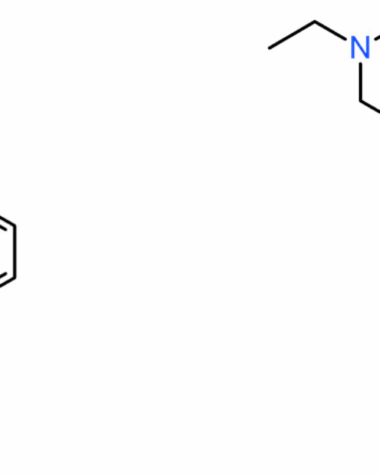

Selective Estrogen Receptor Modulators, or SERMs, are compounds that interact with estrogen receptors throughout the body. These substances exhibit tissue-selective properties, functioning as estrogen receptor antagonists in some tissues while acting as agonists in others. This dual mechanism of action makes SERMs clinically valuable for treating various hormone-dependent conditions.
In clinical settings, SERMs are prescribed for conditions such as breast cancer, osteoporosis, and certain gynecological disorders.
Within bodybuilding contexts, SERMs are utilized during post-cycle therapy (PCT) following anabolic steroid use.
When exogenous steroids are discontinued, the body often experiences hormonal disruption, including potential estrogen dominance and suppressed testosterone production. SERMs help normalize the hypothalamic-pituitary-gonadal axis by blocking estrogen receptors in key tissues, thereby stimulating natural testosterone production and helping restore hormonal homeostasis.
Key Takeaways
- SERMs are compounds that selectively modulate estrogen receptors to balance hormone levels.
- They play a crucial role in post-cycle therapy by helping restore natural testosterone production.
- Proper dosing and duration of SERM use are essential to maximize benefits and minimize side effects.
- Monitoring hormone levels during SERM therapy ensures safe and effective treatment.
- Consulting a healthcare professional before starting SERM therapy is important for personalized guidance.
The role of SERMs in post-cycle therapy
During post-cycle therapy, SERMs play a crucial role in restoring natural testosterone production. Anabolic steroids can suppress the body’s natural testosterone levels. By using SERMs, individuals can stimulate the pituitary gland to produce more luteinizing hormone (LH) and follicle-stimulating hormone (FSH).
These hormones signal the testes to produce testosterone. This process helps mitigate the negative effects of steroid use, such as low libido and mood swings. SERMs also help prevent estrogen-related side effects, which can occur after stopping steroids.
How do SERMs work in the body?

SERMs work by selectively binding to estrogen receptors in different tissues. In some tissues, they act as estrogen antagonists, blocking estrogen’s effects. In others, they can mimic estrogen’s action, promoting beneficial effects like bone health.
This selective action allows SERMs to provide therapeutic benefits without the unwanted side effects associated with estrogen. For example, in breast tissue, SERMs can inhibit cancer cell growth. In contrast, they can promote bone density and maintain healthy cholesterol levels.
The benefits of using SERMs in post-cycle therapy
Using SERMs during post-cycle therapy offers several benefits. First, they help restore testosterone levels more quickly. This restoration can lead to improved mood, energy levels, and libido.
Additionally, SERMs can help prevent gynecomastia, a common side effect of steroid use. By blocking estrogen’s effects in breast tissue, they reduce the risk of developing this condition. Overall, SERMs support a smoother transition back to natural hormone balance.
Different types of SERMs available
| Metric | Description | Typical Dosage | Duration | Common Side Effects |
|---|---|---|---|---|
| Tamoxifen (Nolvadex) | Selective estrogen receptor modulator used to stimulate natural testosterone production post cycle | 20-40 mg per day | 4-6 weeks | Hot flashes, nausea, fatigue |
| Clomiphene Citrate (Clomid) | Stimulates the release of hormones that increase testosterone production | 50-100 mg per day | 4-6 weeks | Visual disturbances, mood swings, headaches |
| Raloxifene | Used less commonly, helps prevent estrogen-related side effects | 60 mg per day | 4 weeks | Leg cramps, hot flashes |
| Effectiveness | Ability to restore natural testosterone levels post anabolic steroid cycle | N/A | N/A | Varies based on individual and cycle |
| Estrogen Suppression | Reduces estrogen rebound during post cycle therapy | N/A | N/A | Helps prevent gynecomastia and water retention |
Several types of SERMs are available on the market today. Tamoxifen and Raloxifene are two of the most commonly used options. Tamoxifen is often favored for its effectiveness in stimulating testosterone production.
Raloxifene, on the other hand, is known for its bone-protective properties. Other SERMs like Clomiphene Citrate also play a role in PCT by promoting natural testosterone production. Each SERM has unique characteristics that may suit different individuals’ needs.
Potential side effects of using SERMs

While SERMs offer many benefits, they can also cause side effects. Common side effects include hot flashes, mood swings, and nausea. Some users may experience headaches or visual disturbances as well.
In rare cases, SERMs can lead to more serious complications like blood clots. It’s essential to monitor for any adverse reactions during use. Consulting with a healthcare professional can help manage these risks effectively.
How to properly dose SERMs for post-cycle therapy
Proper dosing of SERMs is crucial for effective post-cycle therapy. Dosage often depends on the specific SERM used and individual needs. For example, Tamoxifen is typically dosed at 20-40 mg per day during PCT.
Clomiphene Citrate may be dosed at 50-100 mg daily for similar purposes.
Starting with a lower dose and gradually increasing it can help minimize side effects.
The importance of monitoring hormone levels during SERM use
Monitoring hormone levels during SERM use is vital for ensuring effectiveness and safety. Regular blood tests can provide insight into testosterone and estrogen levels. This information helps determine if adjustments to dosage are necessary.
Tracking hormone levels also allows users to identify potential issues early on. If testosterone levels remain low despite SERM use, further evaluation may be needed. This proactive approach supports a successful recovery after steroid cycles.
Combining SERMs with other post-cycle therapy medications
Combining SERMs with other medications can enhance post-cycle therapy outcomes. For instance, some individuals may use aromatase inhibitors alongside SERMs to further reduce estrogen levels. This combination can help prevent estrogen-related side effects more effectively.
Other supplements like human chorionic gonadotropin (hCG) may also be beneficial during PCT. hCG stimulates the testes directly, promoting testosterone production alongside SERM use. However, it’s essential to consult with a healthcare professional before combining treatments.
The duration of SERM use in post-cycle therapy
The duration of SERM use during post-cycle therapy varies based on individual circumstances. Typically, PCT lasts between four to six weeks after completing a steroid cycle. Some users may require longer durations depending on their specific situation.
It’s crucial to assess how well the body responds to SERM therapy during this time. If hormone levels stabilize quickly, shorter durations may suffice. Conversely, prolonged use may be necessary for those experiencing persistent hormonal imbalances.
Consulting with a healthcare professional before starting SERM therapy
Before starting SERM therapy, consulting with a healthcare professional is essential. A qualified expert can provide personalized advice based on individual health needs and goals. They can also help determine the most appropriate SERM and dosage for effective recovery.
Additionally, healthcare professionals can monitor progress and adjust treatment as needed. This guidance ensures a safer and more effective post-cycle therapy experience. Prioritizing professional input helps mitigate risks associated with self-treatment and enhances overall outcomes.