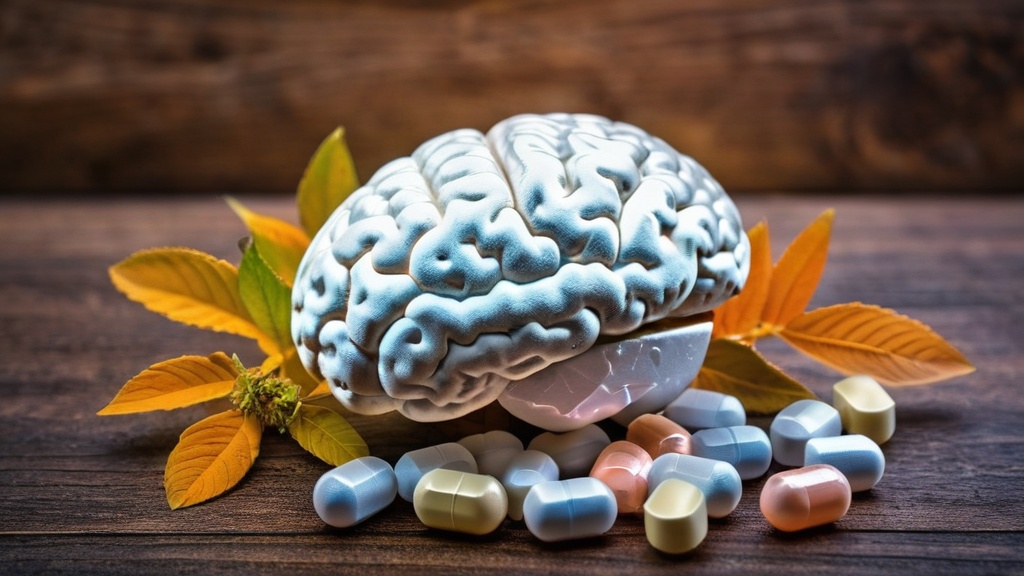

In today’s fast-paced world, many seek ways to enhance focus and cognitive performance. Nootropics and traditional diets have emerged as popular options. Each approach offers unique benefits and challenges for improving mental clarity and concentration.
Nootropics, often called smart drugs, promise to boost brain function. Meanwhile, traditional diets emphasize the importance of nutrition in cognitive health. Understanding both can help individuals make informed choices about enhancing their focus.
Key Takeaways
- Nootropics are supplements designed to enhance cognitive function, while traditional diets impact focus through nutrition.
- Both nootropics and diet have scientific backing, but they work through different mechanisms to improve concentration.
- Safety profiles differ; traditional diets generally have fewer side effects compared to some nootropics.
- Long-term cognitive health benefits may be better supported by a balanced diet, though nootropics can offer short-term improvements.
- Combining nootropics with a tailored diet may maximize focus and cognitive performance for individual needs.
Nootropics: What are They and How Do They Work?
Nootropics are substances that enhance cognitive functions like memory, creativity, and motivation. They can be natural or synthetic compounds. Many users report increased mental clarity and improved focus after taking these substances.
These compounds work through various mechanisms. Some increase blood flow to the brain, while others enhance neurotransmitter activity. By influencing brain chemistry, nootropics aim to optimize cognitive performance.
Traditional Diet: The Impact of Nutrition on Focus and Cognitive Function
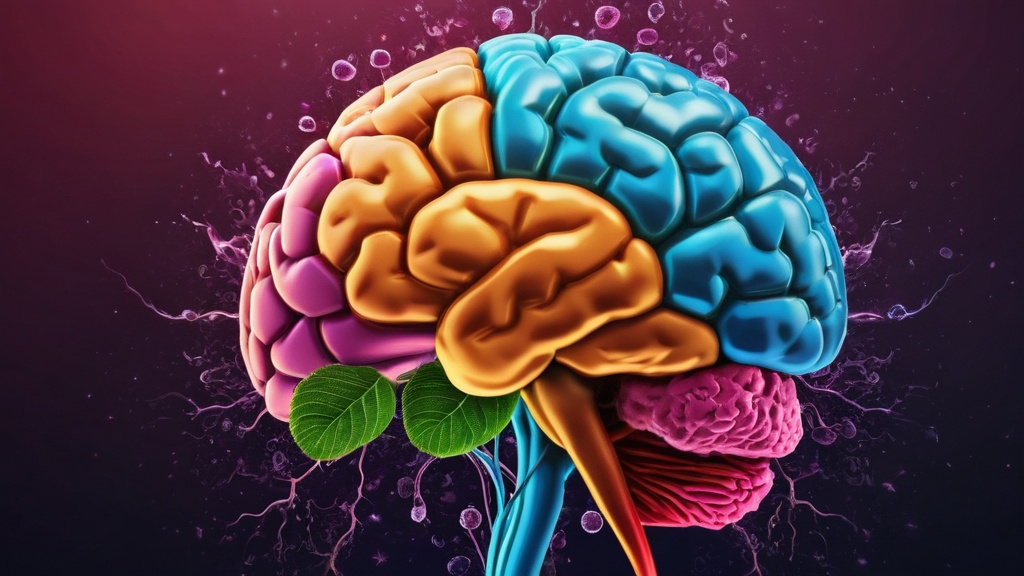
Nutrition plays a crucial role in cognitive health. A balanced diet provides essential nutrients that support brain function. Foods rich in omega-3 fatty acids, antioxidants, and vitamins can enhance focus and memory.
Certain diets, like the Mediterranean diet, emphasize whole foods. These diets promote brain health through nutrient-dense options. Incorporating fruits, vegetables, whole grains, and healthy fats can significantly impact cognitive performance.
Nootropics vs Diet: The Science Behind Each Approach
Research supports both nootropics and traditional diets for enhancing focus. Studies show that specific nootropics can improve cognitive performance in various populations. However, the long-term effects of these substances remain less understood.
On the other hand, numerous studies link nutrition to cognitive function. A well-balanced diet consistently shows positive effects on brain health. This evidence suggests that while nootropics may offer short-term benefits, a healthy diet provides lasting support for cognitive function.
Safety and Side Effects: Comparing Nootropics and Traditional Diet
Safety is a significant concern when considering nootropics. Some users experience side effects like headaches, insomnia, or digestive issues. Additionally, the long-term safety of many nootropics remains uncertain.
In contrast, traditional diets generally pose fewer risks. Eating a balanced diet typically leads to improved health without adverse effects. However, individuals with specific dietary restrictions should consult healthcare professionals before making changes.
Effectiveness: Which Approach Produces Better Results for Focus and Concentration?

Effectiveness varies between nootropics and traditional diets. Many users report immediate improvements in focus after taking nootropics. However, these effects may not last long-term without consistent use.
Traditional diets require time to show results but often lead to sustained cognitive benefits. A nutrient-rich diet can enhance overall brain health over time. This long-term approach may prove more effective for lasting focus and concentration.
Long-Term Benefits: Nootropics vs Traditional Diet for Cognitive Health
Long-term benefits differ significantly between nootropics and traditional diets. Nootropics may provide short bursts of enhanced focus but lack lasting effects. Continuous use can lead to dependency or diminishing returns over time.
Conversely, a healthy diet fosters overall cognitive health. Nutrients from whole foods support brain structure and function. This approach promotes longevity in cognitive performance and reduces the risk of age-related decline.
Cost and Accessibility: Comparing the Affordability and Availability of Nootropics and a Focus-Enhancing Diet
Cost plays a crucial role in choosing between nootropics and traditional diets. Nootropics can be expensive, especially high-quality brands or specialized formulations. Accessibility may also vary based on location and regulations.
Traditional diets often offer more affordable options. Whole foods are widely available in most grocery stores. By focusing on seasonal produce and local ingredients, individuals can maintain a budget-friendly approach to enhancing focus.
Personalized Approach: Tailoring Nootropics and Diet for Individual Focus Needs
Personalization is essential when considering nootropics or dietary changes. Each individual has unique needs based on lifestyle, genetics, and health conditions. Tailoring approaches can maximize effectiveness for enhancing focus.
Consulting with healthcare professionals can help individuals identify suitable nootropics or dietary adjustments. Personalized plans ensure that individuals receive the right nutrients or compounds for their specific cognitive needs.
Combining Nootropics and Diet: Maximizing Focus and Cognitive Performance
Combining nootropics with a healthy diet may yield optimal results for focus. This approach allows individuals to benefit from both immediate enhancements and long-term support. A balanced diet can provide the foundation for cognitive health while nootropics offer short-term boosts.
However, caution is necessary when combining these approaches. Individuals should monitor their responses to both nootropics and dietary changes closely. This awareness helps prevent potential interactions or adverse effects.
Making an Informed Decision for Improving Focus with Nootropics or Traditional Diet
In conclusion, both nootropics and traditional diets offer valuable options for enhancing focus. Each approach has its strengths and weaknesses, making informed decisions essential. Individuals should consider their unique needs, preferences, and goals when choosing between these methods.
Ultimately, a balanced approach that combines elements of both may provide the best results for cognitive performance. By understanding the science behind each option, individuals can make choices that support their mental clarity and overall well-being.
FAQs
What are nootropics?
Nootropics are substances, supplements, or drugs that are claimed to improve cognitive function, particularly executive functions, memory, creativity, or motivation, in healthy individuals.
What is meant by a traditional diet for focus?
A traditional diet for focus typically refers to a balanced diet rich in whole foods such as fruits, vegetables, whole grains, lean proteins, and healthy fats that support brain health and cognitive function.
How do nootropics work to improve focus?
Nootropics may work by enhancing neurotransmitter activity, increasing blood flow to the brain, reducing inflammation, or providing neuroprotective effects, which can collectively improve concentration and mental clarity.
Can a traditional diet improve focus and cognitive function?
Yes, a traditional diet that includes nutrients like omega-3 fatty acids, antioxidants, vitamins, and minerals can support brain health and improve focus and cognitive function over time.
Are nootropics safe to use?
The safety of nootropics varies depending on the specific substance. Some are generally considered safe when used as directed, while others may have side effects or interact with medications. It is important to consult a healthcare professional before using nootropics.
Which is more effective for improving focus: nootropics or a traditional diet?
Effectiveness can vary by individual. A traditional diet provides long-term brain health benefits, while nootropics may offer short-term cognitive enhancement. Combining both approaches under professional guidance may yield the best results.
Can nootropics replace a healthy diet?
No, nootropics should not replace a healthy diet. Proper nutrition is essential for overall brain health, and nootropics are intended to supplement, not substitute, a balanced diet.
How long does it take to see results from a traditional diet versus nootropics?
Improvements from a traditional diet may take weeks to months as the body and brain adapt, whereas some nootropics can produce noticeable effects within hours to days.
Are there any risks associated with combining nootropics and a traditional diet?
While generally safe, combining nootropics with certain foods or supplements may cause interactions or side effects. It is advisable to consult a healthcare provider before combining them.
Who should consider using nootropics?
Individuals seeking short-term cognitive enhancement or those with specific cognitive challenges may consider nootropics, but they should do so under medical supervision to ensure safety and appropriateness.