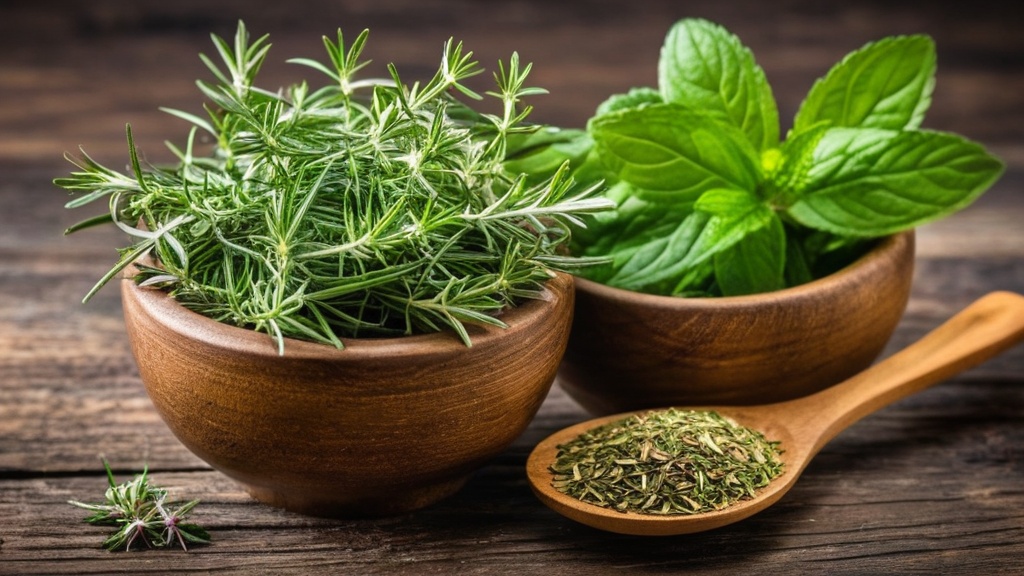

Adaptogenic herbs are natural substances that help the body adapt to stress. They enhance the body’s resilience and promote balance. These herbs have been used for centuries in traditional medicine systems, particularly in Ayurveda and Traditional Chinese Medicine.
Adaptogens work by supporting the adrenal system, which regulates stress hormones. They help the body maintain homeostasis during challenging situations. This unique ability makes them popular among those seeking to improve their overall well-being.
Key Takeaways
- Adaptogenic herbs are natural substances that help the body adapt to stress and promote balance and homeostasis.
- Adaptogenic herbs can improve physical and mental performance, reduce fatigue, and enhance endurance.
- Ashwagandha is a powerful adaptogenic herb that can help reduce stress, improve cognitive function, and boost physical performance.
- Rhodiola is another key adaptogenic herb that can enhance physical performance, reduce fatigue, and improve mental focus.
- Other adaptogenic herbs like holy basil, licorice root, and ginseng can also improve physical and mental performance and help manage stress.
The Benefits of Adaptogenic Herbs for Performance
Athletes and fitness enthusiasts often turn to adaptogenic herbs for enhanced performance. These herbs can boost energy levels and improve endurance. They also help reduce fatigue, allowing individuals to train harder and longer.
Moreover, adaptogens can enhance mental clarity and focus. This mental boost can lead to better decision-making during workouts or competitions.
Ashwagandha: A Powerful Adaptogenic Herb
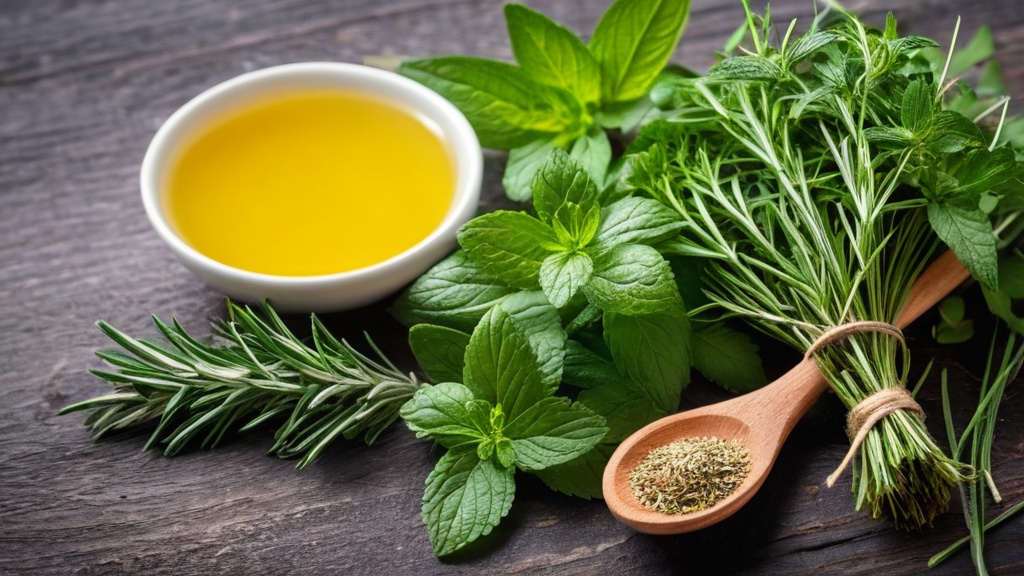
Ashwagandha is one of the most well-known adaptogenic herbs. It has a long history of use in Ayurvedic medicine. This herb is renowned for its ability to reduce stress and anxiety.
Research shows that ashwagandha can improve physical performance. It enhances strength, endurance, and muscle recovery. Many athletes incorporate ashwagandha into their routines for these benefits.
Rhodiola: Another Key Adaptogenic Herb for Performance
Rhodiola rosea, commonly known as rhodiola, is another powerful adaptogen. It grows in cold regions and has been used for centuries in traditional medicine. Rhodiola helps combat fatigue and enhances physical performance.
Studies indicate that rhodiola can improve exercise capacity. It may also reduce perceived exertion during workouts. This means individuals can push themselves harder without feeling as fatigued.
Other Adaptogenic Herbs for Performance
Several other adaptogenic herbs also support performance. Ginseng is a popular choice, known for its energy-boosting properties. It can enhance stamina and reduce fatigue during physical activities.
Holy basil, or tulsi, is another adaptogen that promotes overall health. It helps manage stress and supports immune function. Incorporating these herbs can provide additional benefits for those seeking improved performance.
How Adaptogenic Herbs Work in the Body
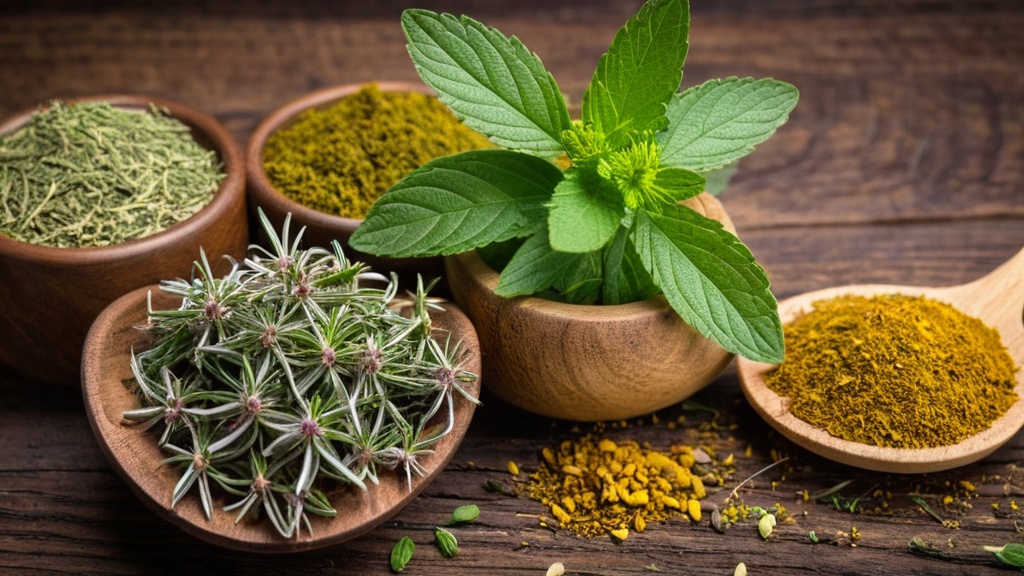
Adaptogenic herbs work by modulating the body’s stress response. They influence the hypothalamic-pituitary-adrenal (HPA) axis, which regulates hormone release. This modulation helps maintain balance during stressful situations.
These herbs also support neurotransmitter function, promoting mental clarity and focus.
The Role of Adaptogenic Herbs in Managing Stress
Stress management is one of the primary benefits of adaptogenic herbs. They help lower cortisol levels, the hormone associated with stress. By reducing cortisol, these herbs promote a sense of calm and well-being.
In addition to lowering stress hormones, adaptogens support emotional health. They can help alleviate anxiety and improve mood. This dual action makes them valuable tools for managing daily stressors.
Using Adaptogenic Herbs for Physical Performance
Incorporating adaptogenic herbs into a fitness routine can enhance physical performance. Many athletes take these herbs before workouts to boost energy levels. They can also aid in recovery after intense training sessions.
Timing and dosage are essential when using adaptogens for performance. Individuals should experiment to find what works best for them. Consistency is key to experiencing the full benefits of these herbs.
Incorporating Adaptogenic Herbs into Your Daily Routine
Adding adaptogenic herbs to your daily routine is simple and effective. You can find them in various forms, including powders, capsules, and teas. Choose a method that fits your lifestyle and preferences.
Start with small doses to assess your body’s response. Gradually increase the dosage as needed while monitoring any effects. Consistent use will help you reap the benefits over time.
Potential Side Effects and Risks of Adaptogenic Herbs
While adaptogenic herbs are generally safe, some individuals may experience side effects. These can include digestive issues or allergic reactions in rare cases. It’s essential to listen to your body and discontinue use if adverse effects occur.
Certain adaptogens may interact with medications or existing health conditions. Always research specific herbs before incorporating them into your routine. Understanding potential risks ensures safe usage.
Consult with a Healthcare Professional Before Using Adaptogenic Herbs
Before starting any new supplement regimen, consult with a healthcare professional. They can provide personalized advice based on your health history and needs. This step is crucial for ensuring safety and effectiveness.
A healthcare provider can help you choose the right adaptogens for your goals. They can also guide you on proper dosages and potential interactions with medications. Prioritizing safety will enhance your experience with adaptogenic herbs.
FAQs
What are adaptogenic herbs?
Adaptogenic herbs are a class of plants that are believed to help the body adapt to stress, support normal metabolic processes, and restore balance. They are thought to have a normalizing effect on the body, helping to regulate physiological functions.
What are some examples of adaptogenic herbs?
Some examples of adaptogenic herbs include ashwagandha, rhodiola, holy basil, ginseng, and licorice root. These herbs have been used in traditional medicine systems such as Ayurveda and Traditional Chinese Medicine for centuries.
What are the potential benefits of adaptogenic herbs for performance?
Adaptogenic herbs are believed to support physical and mental performance by helping the body adapt to stress, improving energy levels, and enhancing resilience. They are also thought to support immune function and overall well-being.
Are there any potential side effects or risks associated with adaptogenic herbs?
While adaptogenic herbs are generally considered safe for most people, some individuals may experience side effects such as digestive upset, headaches, or allergic reactions. It’s important to consult with a healthcare professional before using adaptogenic herbs, especially if you have any underlying health conditions or are taking medications.
How can adaptogenic herbs be used?
Adaptogenic herbs can be consumed in various forms, including as teas, tinctures, capsules, or powders. They can also be incorporated into recipes or used topically in skincare products. The appropriate dosage and form of adaptogenic herbs may vary depending on individual needs and health goals.