
Hormones play a crucial role in regulating various bodily functions. They influence mood, metabolism, growth, and reproductive health. When hormones are balanced, the body operates smoothly, promoting overall well-being.
However, many factors can disrupt this balance. Stress, poor diet, and environmental toxins can lead to hormonal imbalances. Understanding these factors is essential for maintaining optimal health.
Key Takeaways
- Hormone balance is crucial for overall health and well-being, impacting various bodily functions and systems.
- Supplements can play a supportive role in hormone balance, but should be used under the guidance of a healthcare professional.
- Lifestyle factors such as diet, exercise, and stress management are essential for maintaining hormone balance.
- Natural approaches like acupuncture, meditation, and yoga can help support hormone balance.
- Nutritional support through a balanced diet rich in vitamins, minerals, and healthy fats is key for hormone balance.
The Role of Supplements in Hormone Balance
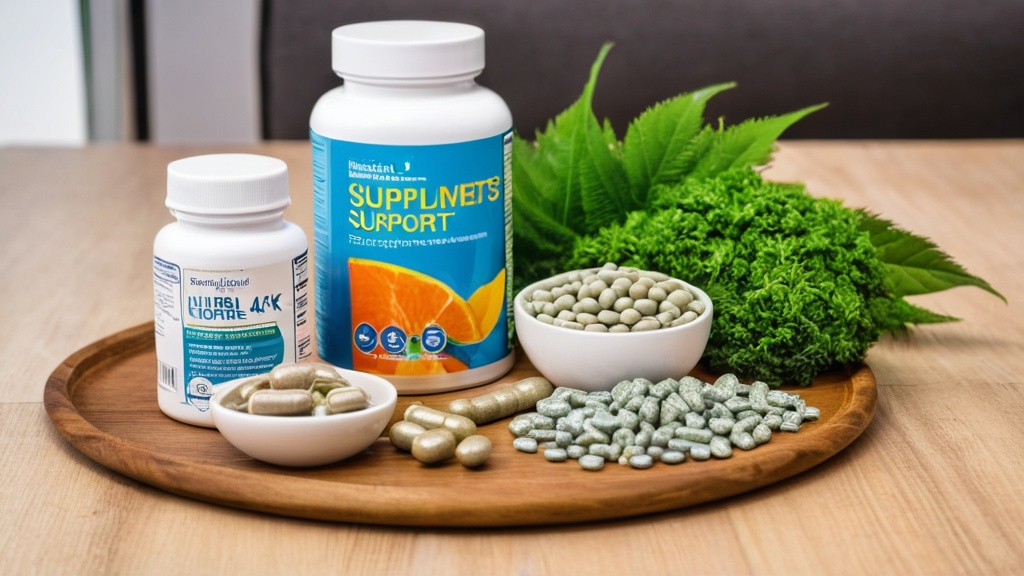
Supplements can support hormone balance in various ways. They provide essential nutrients that the body may lack due to dietary restrictions or lifestyle choices. For instance, vitamins and minerals like magnesium and vitamin D play significant roles in hormone production.
Certain supplements target specific hormonal issues. For example, omega-3 fatty acids can help reduce inflammation, which may affect hormone levels. Always consult a healthcare professional before starting any supplement regimen.
The Importance of Lifestyle in Hormone Balance
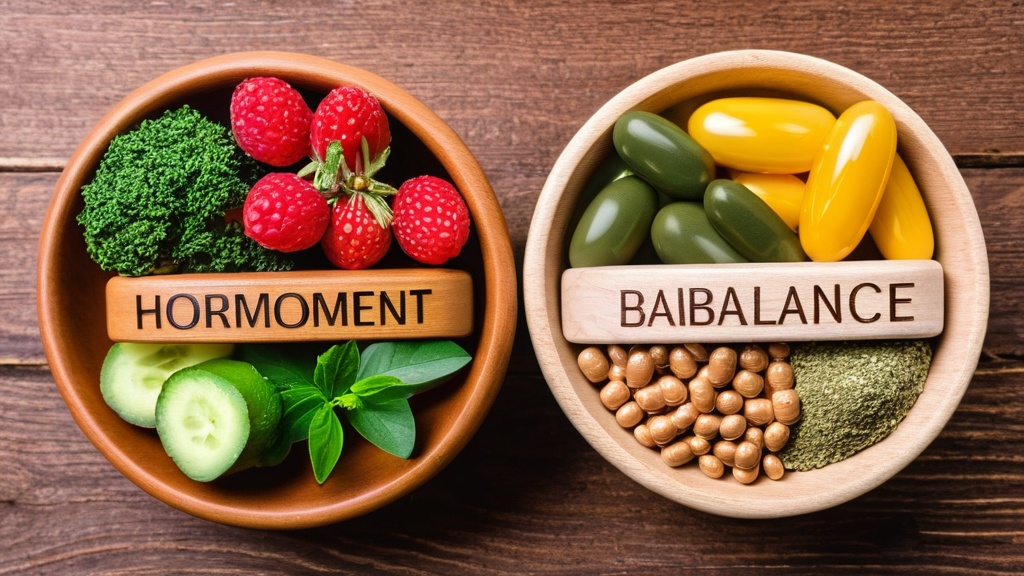
Lifestyle choices significantly impact hormone balance. Regular physical activity, a balanced diet, and adequate sleep contribute to hormonal health. These factors work together to create a stable environment for hormone production.
Additionally, avoiding harmful habits is crucial. Smoking and excessive alcohol consumption can disrupt hormonal balance. Making conscious lifestyle choices can lead to improved overall health and well-being.
Natural Support for Hormone Balance
Natural methods can effectively support hormone balance. Incorporating whole foods into your diet provides essential nutrients for hormone production. Foods rich in healthy fats, fiber, and antioxidants promote hormonal health.
Herbs and adaptogens also offer natural support. They help the body adapt to stress and regulate hormone levels. Examples include ashwagandha and maca root, which have shown promise in balancing hormones.
Nutritional Support for Hormone Balance
Nutrition plays a vital role in maintaining hormone balance. A diet rich in whole foods supports the body’s hormonal functions. Focus on incorporating fruits, vegetables, lean proteins, and healthy fats into your meals.
Certain foods can specifically enhance hormone production. For instance, cruciferous vegetables like broccoli help detoxify excess estrogen. Including these foods in your diet can promote a healthier hormonal environment.
Herbal Support for Hormone Balance
Herbs have long been used to support hormone balance naturally.
Other herbs target specific hormonal issues. Chaste tree berry (Vitex) is known for its ability to regulate menstrual cycles and alleviate PMS symptoms. Incorporating these herbs into your routine can provide additional support for hormonal balance.
Exercise and Hormone Balance
Regular exercise significantly impacts hormone balance. Physical activity stimulates the release of endorphins, which improve mood and reduce stress. It also helps regulate insulin levels and supports healthy metabolism.
Different types of exercise can benefit hormone levels in various ways. Strength training boosts testosterone levels, while aerobic exercise enhances overall cardiovascular health. Finding an enjoyable exercise routine can lead to lasting benefits for hormonal health.
Stress Management for Hormone Balance
Stress management is essential for maintaining hormone balance. Chronic stress leads to elevated cortisol levels, which can disrupt other hormones. Implementing stress-reduction techniques can help restore balance.
Mindfulness practices such as meditation and yoga promote relaxation and reduce stress levels. Engaging in hobbies or spending time in nature also contributes to lower stress levels. Prioritizing stress management can lead to improved hormonal health.
Sleep and Hormone Balance
Quality sleep is vital for hormone regulation. During sleep, the body undergoes essential processes that support hormone production and balance. Lack of sleep can lead to imbalances in hormones like cortisol and insulin.
Establishing a consistent sleep routine promotes better hormonal health. Aim for 7-9 hours of quality sleep each night. Creating a calming bedtime environment can enhance sleep quality and support hormone balance.
Environmental Factors and Hormone Balance
Environmental factors can significantly impact hormone balance. Exposure to endocrine disruptors found in plastics, pesticides, and personal care products can interfere with hormonal functions. Being aware of these factors is crucial for maintaining hormonal health.
Minimizing exposure to harmful substances can help protect hormone balance. Opt for natural products and organic foods when possible. Making conscious choices about your environment can lead to better overall health.
Finding the Right Balance for You
Finding the right hormonal balance is a personal journey. Each individual has unique needs based on genetics, lifestyle, and health conditions. Working with healthcare professionals can help identify specific imbalances and create tailored solutions.
Regular monitoring of hormone levels can provide valuable insights into your health. Adjusting lifestyle factors such as diet, exercise, and stress management can lead to significant improvements in hormonal balance over time. Embrace the journey toward optimal health by prioritizing your unique needs and making informed choices.
FAQs
What are supplements for hormone balance?
Supplements for hormone balance are products that contain vitamins, minerals, herbs, or other natural ingredients that are believed to support the body’s hormone production and balance.
What is lifestyle support for hormone balance?
Lifestyle support for hormone balance involves making changes to one’s diet, exercise routine, stress management, and other lifestyle factors in order to promote healthy hormone levels.
Are supplements or lifestyle changes more effective for hormone balance?
There is no one-size-fits-all answer to this question, as the effectiveness of supplements versus lifestyle changes for hormone balance can vary depending on individual factors such as overall health, specific hormone imbalances, and personal preferences.
What are some natural supplements for hormone balance?
Natural supplements for hormone balance may include ingredients such as maca root, vitex (chasteberry), ashwagandha, black cohosh, and omega-3 fatty acids, among others.
What lifestyle changes can support hormone balance?
Lifestyle changes that can support hormone balance include maintaining a healthy diet, engaging in regular physical activity, managing stress levels, getting adequate sleep, and avoiding exposure to hormone-disrupting chemicals.
Are there any potential risks or side effects associated with hormone balance supplements?
Some hormone balance supplements may have potential risks or side effects, especially if taken in high doses or in combination with other medications. It is important to consult with a healthcare professional before starting any new supplement regimen.
Can lifestyle changes alone effectively support hormone balance?
For some individuals, making lifestyle changes alone may be sufficient to support hormone balance. However, others may benefit from incorporating natural supplements into their routine for additional support. It is important to work with a healthcare provider to determine the best approach for individual needs.