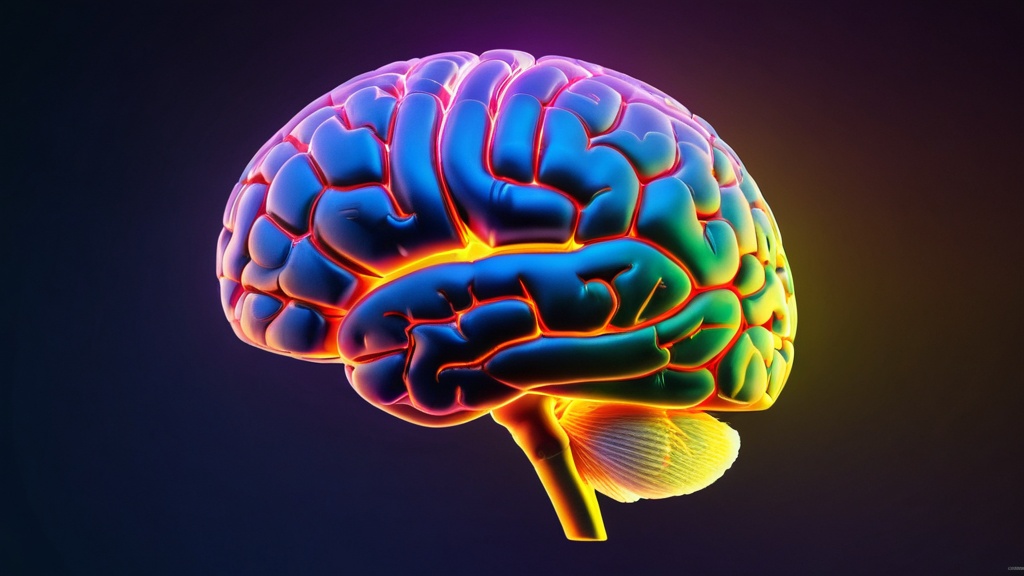

Piracetam is a compound often discussed for its potential effects on the brain. People sometimes call it a “nootropic.” This term describes substances that might improve cognitive function. Piracetam belongs to the racetam class of chemicals. Scientists first synthesized piracetam in 1964. It is structurally similar to the neurotransmitter GABA. However, piracetam does not appear to act through GABAergic receptors directly.
What is Piracetam?
Piracetam is a cyclic derivative of GABA. Corneliu E. Giurgea first synthesized it. He coined the term “nootropic.” This translates to “mind-bending.” Giurgea defined nootropics by specific criteria. They should enhance learning and memory. They should protect the brain from various injuries. They should facilitate communication between the brain’s hemispheres. They should possess few side effects and low toxicity.
Piracetam is freely soluble in water. It is a white, crystalline powder. It has a bitter taste. Piracetam is well-absorbed orally. It reaches peak concentrations in the blood within about one hour. It crosses the blood-brain barrier. The body eliminates piracetam primarily unchanged through urine.
How Does Piracetam Work?
The exact mechanism of piracetam’s action remains under investigation. Researchers propose several theories. These theories are based on in vitro and animal studies.
Effects on Cell Membranes
One theory suggests piracetam modifies cell membranes. It might increase the fluidity of neuronal membranes. This could affect receptor function. It might also influence ion channel activity. Enhanced membrane fluidity could improve cellular communication. This could be particularly relevant in aging neurons.
Neurotransmitter Modulation
Piracetam might modulate neurotransmitter systems. Some research suggests it affects acetylcholine. Acetylcholine plays a crucial role in memory and learning. Piracetam may enhance its release or receptor sensitivity. However, this interaction is complex. Other studies suggest effects on glutamate receptors. Glutamate is a major excitatory neurotransmitter.
Enhanced Blood Flow and Oxygen Utilization
Another hypothesis involves cerebral blood flow. Piracetam might improve blood circulation in the brain. This could increase oxygen and glucose delivery to neurons. Better nutrient supply could support brain function. Some in vitro studies suggest this. Animal models also show this effect.
Metabolic Effects
Piracetam may improve brain cell metabolism. It could enhance ATP production. ATP is the energy currency of cells. Efficient energy use supports neuronal activity. This might be beneficial under conditions of stress or hypoxia. This mechanism is primarily theoretical.
Piracetam: Potential Applications and Research
Research on piracetam has explored various conditions. Much of this research is older. Newer, robust human trials are often lacking.
Cognitive Impairment and Dementia
Early studies investigated piracetam for cognitive decline. Some studies focused on senile dementia. It was thought to support memory in these patients. These studies date back several decades. A 2024 meta-analysis revisits this area. This meta-analysis looked at 18 studies. It included 886 patients. It found no significant memory enhancement from piracetam compared to placebo. The standardized mean difference was 0.75. The 95% confidence interval was [-0.19, 1.69]. The p-value was 0.12. This suggests no statistical significance. The authors called for further research. This research should focus on adults with memory impairment.
Cortical Myoclonus
Cortical myoclonus is a neurological disorder. It causes involuntary muscle jerks. Piracetam has shown efficacy in treating this condition. Some studies suggest high doses are effective. These studies generally refer to older research. They extend up to 2019 data. This is one of the more consistent findings for piracetam.
Dyslexia
Some older research explored piracetam for dyslexia. Dyslexia involves difficulties with reading. The theory was that piracetam could improve verbal learning. Reviews note that these studies are dated. Newer and well-designed trials are needed. Further research could clarify any potential benefits.
Stroke and Traumatic Brain Injury (TBI)
Piracetam has been studied in stroke patients. Some research suggested improvements following stroke. It was also considered for traumatic brain injury. The aim was to reduce cognitive deficits. Again, these studies are generally older. Robust, current human evidence is scarce.
Comparative Animal Studies
Recent animal studies offer insights. A comparative animal study was published in the Directory of Open Access Journals (DOAJ). This study investigated scopolamine-induced amnesia in rats. Scopolamine impairs memory. Researchers tested various compounds. Modafinil and citicoline outperformed piracetam. They were more effective in reversing memory impairment. This was measured using the Morris water maze test. This suggests that other compounds might be more potent.
Regulatory Status and Safety Concerns
The regulatory status of piracetam varies globally. Its availability and legal framework differ significantly. It is not an approved drug in some regions.
United States FDA Stance
In the United States, piracetam does not have FDA approval. It is not approved as a drug. It is also not approved as a dietary supplement ingredient. The FDA has issued warnings regarding piracetam. In 2020, the FDA warned about piracetam in supplements. They found piracetam in U.S. cognitive enhancement dietary supplements. The FDA stated there is no evidence for its efficacy. This applies to dementia or cognitive impairment. Manufacturers cannot legally market it as a supplement.
European and Other Countries
In some European countries, piracetam is a prescription drug. It is used for specific conditions. These often include myoclonus. It might also be prescribed for certain cognitive disorders. Its availability requires a doctor’s prescription. Other countries may classify it differently. Always check local regulations.
Safety Profile
Piracetam is generally considered to have a good safety profile. This is based on existing research and historical use. Side effects are typically mild. They can include nervousness, insomnia, weight gain, or gastrointestinal upset. Serious adverse events are rare. However, comprehensive safety data, especially from large-scale, long-term human trials, is limited. The lack of FDA approval in the US means it has not undergone extensive safety evaluation required for new drugs or supplements in that country.
The Landscape of Nootropics: A Broader View
Piracetam was among the first compounds termed “nootropic.” The field of nootropics has expanded greatly. Many substances are now marketed as cognitive enhancers. They often lack rigorous scientific backing. Consumers must exercise caution. Many claims lack strong human evidence.
What are Nootropics?
Nootropics are substances. They are claimed to enhance mental functions. These include memory, creativity, motivation, and attention. Some nootropics are prescription drugs. Others are dietary supplements. Still others are naturally occurring compounds.
Research Gaps in Nootropics
There are significant research gaps in the nootropics field. Many studies are preclinical. They involve in vitro or animal models. Human evidence is often preliminary or anecdotal. Reviews frequently highlight this. They call for more robust clinical trials. This echoes the situation with piracetam.
Consumer Responsibility
Consumers must critically evaluate claims. Look for peer-reviewed human clinical trials. Be wary of marketing language. Consult with a healthcare professional. This is especially important for individuals with underlying medical conditions. It is also advised for those taking other medications.
Conclusion
Piracetam is a compound with a long history. It was a pioneering substance in nootropic research. Early studies explored its potential for various conditions. These include cognitive impairment, myoclonus, and dyslexia. However, a 2024 meta-analysis found no significant memory enhancement. This was in comparison to placebo in adults. Recent animal studies also show other compounds performing better.
Regulatory bodies like the FDA have not approved piracetam. They warn against its presence in dietary supplements. This highlights the ongoing need for rigorous human research. Individuals considering piracetam should understand these limitations. Always consult a healthcare provider before use. The science behind cognitive enhancement is complex and evolving.
FAQs
What is Piracetam and how does it work as a nootropic?
Piracetam is a synthetic nootropic compound that belongs to the racetam family. It is believed to enhance cognitive functions such as memory, learning, and focus by modulating neurotransmitters in the brain, particularly acetylcholine, and improving neuroplasticity and blood flow.
Is Piracetam safe to use?
Piracetam is generally considered safe for most people when taken at recommended dosages. It has a low toxicity profile and few reported side effects. However, it is important to consult a healthcare professional before starting Piracetam, especially for individuals with underlying health conditions or those taking other medications.
What are the common uses of Piracetam?
Piracetam is commonly used to improve cognitive function, enhance memory, and support brain health. It is sometimes prescribed for cognitive impairments related to aging, dementia, stroke recovery, and other neurological conditions. Additionally, some healthy individuals use it as a cognitive enhancer.
How should Piracetam be taken for best results?
Piracetam is typically taken orally in capsule or powder form. Dosages vary depending on the purpose, but common doses range from 1,200 mg to 4,800 mg per day, divided into two or three doses. It is often recommended to take Piracetam with food and to maintain consistent use over several weeks to observe cognitive benefits.
Are there any known side effects or interactions with Piracetam?
Piracetam is usually well-tolerated, but some users may experience mild side effects such as headaches, nervousness, or gastrointestinal discomfort. It may interact with blood thinners or other medications, so it is important to discuss its use with a healthcare provider to avoid potential adverse interactions.