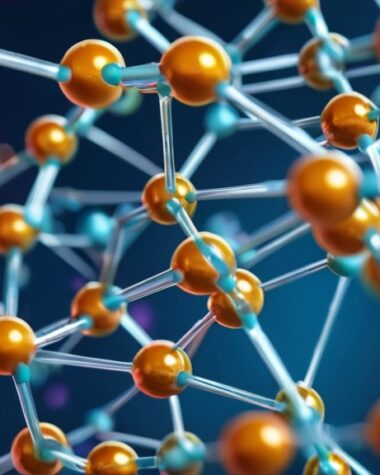

Peptides are short chains of amino acids that play key roles in the body, from signaling cellular processes to supporting muscle growth, skin health, and overall wellness. While the body produces them naturally, peptides can also be obtained from protein-rich foods like meat, fish, dairy, and legumes. Understanding their role can help optimize nutrition and health.
Key Takeaways
-
Peptides are short chains of amino acids essential for muscle growth, repair, and overall nutrition.
-
They support skin health by promoting collagen production and reducing wrinkles.
-
Peptides aid gut health, digestion, and immune function.
-
They can assist in weight management and regulate hormonal balance.
-
Found in protein-rich foods, peptides work synergistically with other nutrients.
-
Use under professional guidance to ensure safety and proper dosage.
The Importance of Peptides in Muscle Building and Repair
Peptides are increasingly recognized for their significant role in muscle building and repair. They stimulate muscle protein synthesis, which is vital for recovery after exercise and for muscle growth. Specific peptides, such as creatine peptides and branched-chain amino acid (BCAA) peptides, have been shown to enhance athletic performance by promoting muscle recovery and reducing soreness.
Moreover, peptides can help increase the production of growth hormone, which is essential for muscle development. This hormone not only aids in muscle growth but also plays a role in fat metabolism. By incorporating peptide-rich foods or supplements into a diet, individuals can support their fitness goals more effectively, ensuring that their muscles recover quickly and grow stronger.
The Anti-Aging Benefits of Peptides in Skin Care

Peptides have emerged as a powerful ingredient in the skincare industry due to their anti-aging properties. They help stimulate collagen production, which is crucial for maintaining skin elasticity and firmness. As we age, collagen levels naturally decline, leading to wrinkles and sagging skin.
By using peptide-infused skincare products, individuals can promote a more youthful appearance. In addition to collagen stimulation, peptides can also enhance skin hydration and repair damaged skin barriers. They work by signaling skin cells to regenerate and repair themselves, resulting in a smoother and more radiant complexion.
The incorporation of peptides into daily skincare routines can lead to noticeable improvements in skin texture and overall health.
Peptides and their Impact on Gut Health and Digestion
| Peptide Type | Impact on Gut Health and Digestion |
|---|---|
| Antimicrobial Peptides | Help maintain a healthy balance of gut bacteria and protect against harmful pathogens. |
| Glutamine Peptides | Support gut lining integrity and help in the repair of intestinal tissues. |
| Opioid Peptides | May influence gut motility and sensation, impacting digestion and bowel movements. |
| Food-derived Peptides | Can have varying effects on gut health and digestion, depending on their specific properties. |
The gut plays a vital role in overall health, and peptides are essential for maintaining gut health and aiding digestion. Certain peptides can enhance the gut barrier function, preventing harmful substances from entering the bloodstream. This protective role is crucial for reducing inflammation and promoting a healthy immune response.
Additionally, peptides derived from food proteins can act as prebiotics, nourishing beneficial gut bacteria. A healthy gut microbiome is linked to improved digestion, better nutrient absorption, and enhanced immune function. By including peptide-rich foods in the diet, individuals can support their digestive health and overall well-being.
The Role of Peptides in Boosting Immune Function
Peptides also play a significant role in bolstering the immune system. They can enhance the activity of immune cells, helping the body to respond more effectively to infections and diseases. Certain peptides have been shown to possess antimicrobial properties, which can help protect against pathogens.
Furthermore, peptides can modulate inflammation within the body. By regulating inflammatory responses, they contribute to a balanced immune system that can efficiently fight off illnesses without overreacting. Incorporating peptide-rich foods or supplements into one’s diet may provide an additional layer of protection against various health issues.
Peptides and their Contribution to Weight Management
Weight management is a common goal for many individuals, and peptides can play a supportive role in this process. Some peptides are known to promote fat loss while preserving lean muscle mass. For instance, peptide hormones like GLP-1 (glucagon-like peptide-1) help regulate appetite and improve insulin sensitivity.
By enhancing metabolic processes and promoting satiety, these peptides can assist individuals in achieving their weight loss goals more effectively. Additionally, incorporating peptide-rich foods into a balanced diet can help maintain energy levels while supporting overall health during weight management efforts.
Peptides and their Influence on Hormonal Balance
Hormonal balance is crucial for overall health, affecting everything from mood to metabolism. Peptides can influence hormone production and regulation within the body. For example, certain peptides stimulate the release of hormones like insulin and growth hormone, which play vital roles in energy metabolism and muscle growth.
Maintaining hormonal balance through dietary choices is essential for optimal health. By including peptide-rich foods or supplements in one’s diet, individuals may support their hormonal health and improve various aspects of their well-being.
The Synergistic Effects of Peptides and Other Nutrients
Peptides do not work in isolation; they often exhibit synergistic effects when combined with other nutrients. For instance, when paired with vitamins and minerals, peptides can enhance nutrient absorption and utilization within the body. This synergy can lead to improved health outcomes.
For example, combining peptides with antioxidants can amplify their protective effects against oxidative stress. Similarly, pairing peptides with healthy fats may enhance their absorption and effectiveness. Understanding these interactions can help individuals create a more balanced diet that maximizes the benefits of both peptides and other essential nutrients.
Incorporating Peptides into a Balanced Diet for Optimal Health
To reap the benefits of peptides, it’s essential to incorporate them into a balanced diet thoughtfully. Here are some practical steps to consider: Step one: Include protein-rich foods such as lean meats, fish, eggs, dairy products, legumes, and nuts in your meals. Step two: Consider peptide supplements if you have specific health goals or dietary restrictions that make it challenging to obtain enough peptides from food alone.
Step three: Pair peptide sources with other nutrient-dense foods to enhance absorption and effectiveness. Step four: Stay informed about new research on peptides to understand how they can best fit into your dietary needs. By following these steps, individuals can effectively integrate peptides into their diets for improved health outcomes.
The Future of Peptide Research and its Implications for Nutrition
The field of peptide research is rapidly evolving, with new discoveries continually emerging about their potential benefits in nutrition and health. Researchers are exploring various applications of peptides beyond muscle building and skin care, including their roles in chronic disease management and metabolic health. As our understanding of peptides deepens, we may see more targeted peptide therapies developed for specific health conditions.
Staying updated on these advancements will be crucial for anyone interested in optimizing their health through nutrition.
Potential Risks and Precautions of Using Peptides in Nutrition
While peptides offer many benefits, it’s important to use them carefully. Not all supplements are regulated, so choosing high-quality products from reputable sources is essential. Consulting a healthcare professional before starting any new regimen helps ensure safety, especially for those with underlying health conditions or taking medications.
In summary, peptides play vital roles in muscle growth, skin health, immune function, and overall wellness. Incorporating peptide-rich foods into a balanced diet, while staying informed about quality and potential risks, allows individuals to safely harness their health benefits.
FAQs
What are peptides in nutrition?
Peptides are short chains of amino acids that are the building blocks of proteins. In nutrition, peptides play a crucial role in various bodily functions, including muscle growth, immune function, and hormone regulation.
How do peptides work in the body?
Peptides work in the body by signaling and regulating various physiological processes. They can act as hormones, neurotransmitters, and enzymes, and play a role in muscle building, fat burning, and overall health and wellness.
What is nutrition synergy?
Nutrition synergy refers to the concept that certain nutrients or compounds may have a greater impact on the body when combined than when consumed individually. This can lead to enhanced benefits and improved overall health.
How do peptides and nutrition synergy work together?
Peptides and nutrition synergy work together by enhancing the bioavailability and effectiveness of nutrients in the body. When peptides are combined with other nutrients, they can improve absorption and utilization, leading to greater health benefits.
What are some examples of peptides in nutrition synergy?
Some examples of peptides in nutrition synergy include collagen peptides combined with vitamin C for skin health, and whey protein peptides combined with essential amino acids for muscle recovery and growth. These combinations can enhance the overall benefits of the nutrients.