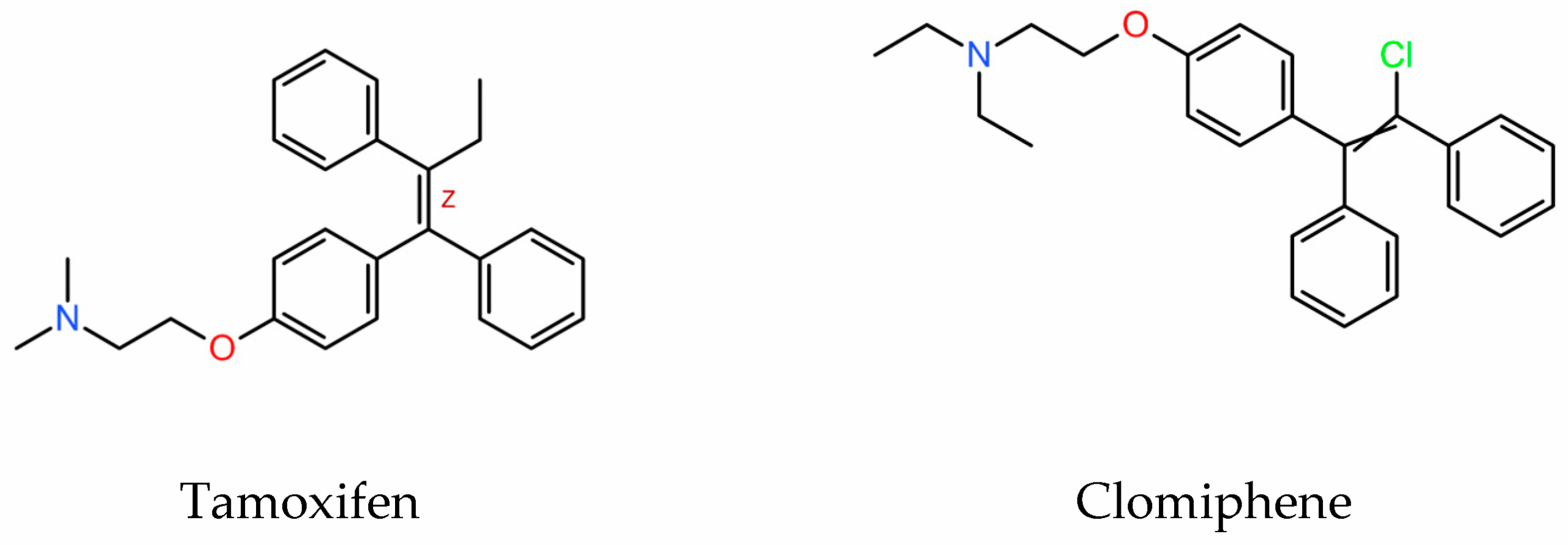

Selective Estrogen Receptor Modulators, commonly known as SERMs, are a class of drugs that interact with estrogen receptors in a selective manner. This unique property allows them to exhibit both estrogenic and anti-estrogenic effects depending on the target tissue. SERMs have gained significant attention in the medical community for their diverse applications, particularly in the treatment of hormone-sensitive conditions.
Among the most well-known SERMs are Tamoxifen and Clomiphene, both of which have established their importance in clinical practice. The significance of SERMs extends beyond their basic function; they play a crucial role in managing conditions such as breast cancer and infertility. Understanding how these medications work, their uses, and their potential side effects is essential for patients and healthcare providers alike.
This article delves into the mechanisms, medical applications, and safety profiles of Tamoxifen and Clomiphene, providing a comprehensive overview to aid in informed decision-making.
Key Takeaways
- SERMs are a class of drugs that selectively target estrogen receptors in the body.
- Tamoxifen and Clomiphene work by blocking estrogen receptors in different tissues, leading to different therapeutic effects.
- Tamoxifen is primarily used for the treatment and prevention of breast cancer, while Clomiphene is used to induce ovulation in women with infertility.
- Both Tamoxifen and Clomiphene have potential side effects, including hot flashes, mood changes, and an increased risk of blood clots.
- Clinical trials have shown that Tamoxifen is more effective in reducing the risk of breast cancer recurrence, while Clomiphene is more effective in inducing ovulation.
Mechanism of Action: How Tamoxifen and Clomiphene Work
Tamoxifen and Clomiphene operate through distinct mechanisms that highlight their unique roles in medical treatment. Tamoxifen primarily functions as an antagonist of estrogen receptors in breast tissue. By binding to these receptors, it inhibits the action of estrogen, which is crucial for the growth of certain types of breast cancer cells.
This blockade effectively slows down or halts tumor growth, making Tamoxifen a cornerstone in the treatment of estrogen receptor-positive breast cancer. On the other hand, Clomiphene works differently by acting as a partial agonist at estrogen receptors in the hypothalamus. This action leads to an increase in gonadotropin-releasing hormone (GnRH) secretion, which subsequently stimulates the pituitary gland to produce more follicle-stimulating hormone (FSH) and luteinizing hormone (LH).
The result is enhanced ovarian function, making Clomiphene a popular choice for treating infertility in women who do not ovulate regularly.

Medical Uses: Comparing the Indications for Tamoxifen and Clomiphene
The medical applications of Tamoxifen and Clomiphene are distinct yet vital in their respective fields. Tamoxifen is primarily indicated for the treatment and prevention of breast cancer. It is often prescribed to women diagnosed with early-stage breast cancer following surgery and radiation therapy, as well as to those at high risk for developing the disease.
Additionally, Tamoxifen is used in men with breast cancer and has shown promise in reducing the risk of contralateral breast cancer. Conversely, Clomiphene is predominantly utilized in reproductive medicine. It is indicated for women experiencing anovulation or irregular ovulation, conditions that can lead to infertility.
Clomiphene is often the first-line treatment for women with polycystic ovary syndrome (PCOS) and has been effective in inducing ovulation in many cases. While both medications serve critical roles in their respective areas, their indications highlight the diverse applications of SERMs.
Side Effects: Evaluating the Potential Adverse Reactions of Tamoxifen and Clomiphene
Like all medications, both Tamoxifen and Clomiphene come with potential side effects that patients should be aware of. Tamoxifen’s side effects can range from mild to severe and may include hot flashes, vaginal discharge, and mood swings. More serious risks involve thromboembolic events such as deep vein thrombosis (DVT) and pulmonary embolism (PE), as well as an increased risk of endometrial cancer due to its estrogenic effects on the uterine lining.
Clomiphene also has its share of side effects, although they tend to be different from those associated with Tamoxifen. Common adverse reactions include hot flashes, abdominal discomfort, and visual disturbances. In some cases, Clomiphene can lead to ovarian hyperstimulation syndrome (OHSS), a potentially serious condition characterized by swollen ovaries and fluid accumulation in the abdomen.
Understanding these side effects is crucial for patients when considering treatment options.
Efficacy: Comparing the Effectiveness of Tamoxifen and Clomiphene in Clinical Trials
Clinical trials have demonstrated the efficacy of both Tamoxifen and Clomiphene in their respective indications. For Tamoxifen, numerous studies have shown its effectiveness in reducing recurrence rates of breast cancer and improving overall survival rates among women diagnosed with estrogen receptor-positive tumors. A landmark trial published in the Journal of Clinical Oncology found that Tamoxifen reduced the risk of breast cancer recurrence by approximately 50% over five years.
In contrast, Clomiphene has been shown to be effective in inducing ovulation in women with anovulatory infertility. Research indicates that about 70% of women taking Clomiphene will ovulate, with approximately 30-40% achieving pregnancy within six cycles of treatment.
These statistics underscore Clomiphene’s role as a first-line therapy for infertility related to ovulatory dysfunction.
Safety Profile: Analyzing the Safety Profiles of Tamoxifen and Clomiphene
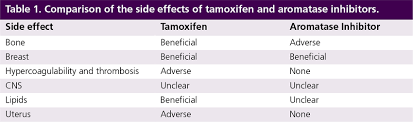
When evaluating the safety profiles of Tamoxifen and Clomiphene, it is essential to consider both short-term and long-term effects. Tamoxifen has been extensively studied over decades, leading to a well-established safety profile. While it carries risks such as thromboembolic events and endometrial cancer, its benefits often outweigh these risks for women with breast cancer.
Regular monitoring and follow-up care are crucial to mitigate potential complications. Clomiphene’s safety profile is generally favorable as well; however, it requires careful consideration due to its potential for OHSS and multiple pregnancies. Women undergoing treatment with Clomiphene should be monitored closely for signs of overstimulation or other adverse reactions.
Both medications necessitate a thorough discussion between patients and healthcare providers to ensure that risks are understood and managed appropriately.
Patient Considerations: Factors to Consider When Choosing Between Tamoxifen and Clomiphene
Choosing between Tamoxifen and Clomiphene involves several patient-specific factors that must be taken into account. For women diagnosed with breast cancer, the decision to use Tamoxifen often hinges on tumor characteristics, stage of disease, and individual risk factors. Healthcare providers will assess the patient’s overall health, family history, and preferences when recommending treatment options.
In contrast, when considering Clomiphene for infertility treatment, factors such as age, duration of infertility, and underlying causes must be evaluated. Women with PCOS or irregular menstrual cycles may benefit significantly from Clomiphene therapy. Additionally, discussions about potential side effects, success rates, and alternative treatments are essential components of the decision-making process.
Cost and Accessibility: Comparing the Affordability and Availability of Tamoxifen and Clomiphene
Cost and accessibility are critical considerations when evaluating treatment options like Tamoxifen and Clomiphene. Generally speaking, both medications are relatively affordable compared to other cancer therapies or advanced reproductive technologies. Tamoxifen is available as a generic medication, which significantly reduces its cost for patients requiring long-term treatment.
Clomiphene is also widely accessible and often covered by insurance plans for fertility treatments. However, costs can vary based on individual insurance coverage and geographic location. Patients should consult with their healthcare providers about potential financial assistance programs or resources available to help manage costs associated with these medications.
Off-Label Uses: Exploring the Potential Off-Label Uses of Tamoxifen and Clomiphene
Both Tamoxifen and Clomiphene have garnered interest for off-label uses beyond their primary indications. For instance, Tamoxifen has been explored for its potential benefits in treating gynecomastia in men, as well as its use in certain cases of infertility due to its estrogen-modulating properties. Some studies suggest that it may help improve sperm quality in men undergoing fertility treatments.
Clomiphene has also found off-label applications in various scenarios. It has been used to treat male infertility by stimulating testosterone production in men with low levels due to hypogonadism. Additionally, some practitioners have explored its use in managing symptoms associated with menopause or perimenopause due to its estrogenic effects on certain tissues.
Future Directions: Investigating Emerging Research and Development in the Field of SERMs
The field of SERMs continues to evolve with ongoing research aimed at expanding their applications and improving patient outcomes. Emerging studies are investigating novel SERMs that may offer enhanced efficacy or reduced side effects compared to existing options like Tamoxifen and Clomiphene. Researchers are also exploring combination therapies that could optimize treatment strategies for breast cancer or infertility.
Furthermore, advancements in personalized medicine may lead to more tailored approaches when prescribing SERMs based on individual genetic profiles or tumor characteristics. As our understanding of estrogen receptor biology deepens, new therapeutic targets may emerge, paving the way for innovative treatments that harness the power of SERMs more effectively.
Making an Informed Decision about Tamoxifen vs Clomiphene
In summary, Tamoxifen and Clomiphene are both essential SERMs with distinct mechanisms, medical applications, side effect profiles, and levels of efficacy. Recognizing these differences is key for patients navigating treatment options for conditions such as breast cancer or infertility. By weighing factors like individual health status, potential side effects, treatment goals, costs, and the latest research, patients can engage in informed discussions with their healthcare providers.
Ultimately, choosing between Tamoxifen and Clomiphene is a highly personal decision that should reflect each patient’s circumstances and preferences. As research continues to deepen our understanding of SERMs, patients can anticipate more precise, effective, and tailored treatment options in the future.
FAQs
What are SERMs?
SERMs, or Selective Estrogen Receptor Modulators, are a class of drugs that act on estrogen receptors in different tissues throughout the body. They can have both estrogenic and anti-estrogenic effects, depending on the specific tissue.
What is Tamoxifen?
Tamoxifen is a commonly prescribed SERM that is used to treat and prevent breast cancer. It works by blocking the effects of estrogen in breast tissue, which can help prevent the growth of breast cancer cells.
What is Clomiphene?
Clomiphene is another SERM that is often used to treat infertility in women. It works by stimulating the release of hormones that are needed for ovulation to occur.
How do Tamoxifen and Clomiphene differ?
While both Tamoxifen and Clomiphene are SERMs, they have different mechanisms of action and are used to treat different conditions. Tamoxifen is primarily used for breast cancer treatment and prevention, while Clomiphene is used for infertility treatment in women.
Which SERM is right for me?
The choice between Tamoxifen and Clomiphene depends on your specific medical condition and needs. It is important to consult with a healthcare professional to determine which SERM is the most appropriate for you.