
Imagine your body as a magnificent, intricate machine. Every day, this machine undergoes wear and tear. What if tiny, natural messengers could help repair it faster and more efficiently? Peptides offer exactly this kind of support.
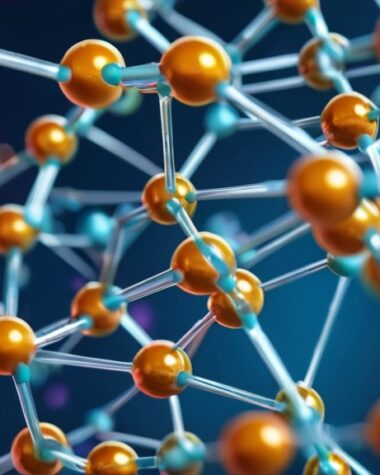
Peptides are short chains of amino acids. Think of amino acids as building blocks. Proteins are long, complex structures. Peptides are smaller, more focused versions. They act as signals within your body.
Your body naturally produces many different peptides. They play vital roles in growth, healing, and immunity. For example, insulin is a type of peptide hormone. It regulates your blood sugar.
What are Peptides, Really?
Peptides are like miniature protein fragments. They consist of two or more amino acids linked together. These chains are generally shorter than 50 amino acids.
They are distinct from full-length proteins. Proteins are larger and more complex molecules. Peptides often have very specific jobs.
How Peptides Work in Your Body
Peptides bind to specific receptors on cells. This binding triggers a particular response. It’s like a key fitting into a lock. They tell your cells what to do.
This signaling can initiate many processes. It can stimulate growth or reduce inflammation. Peptides act as cellular messengers. They coordinate various bodily functions.
The Role of Peptides in tissue Repair and Regeneration
Tissue damage happens constantly. Our bodies work to fix this damage. Peptides can significantly enhance these repair processes. They are like efficient construction foremen.
Specific peptides stimulate cell growth. They also promote new tissue formation. This is crucial for recovery. Imagine a damaged bridge. Peptides help rebuild it stronger.
Accelerating Wound Healing
Certain peptides directly promote wound closure. They encourage collagen production. Collagen is a key protein in skin. It provides structure and strength.
BPC-157 is one such peptide. Studies show it accelerates healing in various tissues. This includes skin, muscle, and tendons (Sikiric, P. et al., 2010). It helps mend torn tissues.
Muscle and Tendon Repair
Muscle and tendon injuries are common. Athletes often face these challenges. Peptides can aid in faster recovery. They reduce inflammation and promote tissue repair.
For instance, peptides can stimulate muscle stem cells. These cells are essential for muscle regeneration. They help the muscle fibers grow back stronger. A torn hamstring could benefit from such support.
Peptides for Pain Management and Inflammation

Pain and inflammation often accompany injury. These responses are natural. However, chronic pain hinders recovery. Peptides offer novel approaches to manage them.
Some peptides have potent anti-inflammatory effects. They can help calm an overactive immune response. This reduces swelling and discomfort. Think of them as soothing balms from within.
Reducing Inflammatory Responses
Inflammation is the body’s natural defense. But excessive inflammation causes damage. Peptides can modulate this response. They help restore balance.
Thymosin Beta 4 is an example. Research indicates it reduces inflammation. It also promotes cell migration and repair (Goldstein, A. L., & Badamchian, M., 2004). It acts like a skilled mediator.
Managing Chronic Pain Conditions
Chronic pain can be debilitating. Traditional treatments have limitations. Peptides offer targeted relief. They can address pain at its source.
Some peptides affect pain pathways directly. They modulate nerve signals. This reduces the perception of pain. They offer an alternative to opioid-based treatments. For someone with persistent joint pain, this could be transformative.
Enhancing Recovery and Performance with Peptides
Beyond direct repair, peptides can optimize overall recovery. They can also enhance physical performance. This makes them attractive for rehabilitation and sports. They are like a tune-up for your body’s engine.
Peptides can improve energy levels. They may also boost metabolism. This supports efficient exercise recovery. It helps you get back to your activities faster.
Improving Sleep Quality
Sleep is critical for recovery. Poor sleep hinders healing. Some peptides can improve sleep patterns. They help regulate the body’s natural rhythms.
Delta sleep-inducing peptide (DSIP) is one. It promotes deeper, more restful sleep. This enhances the body’s restorative processes. Imagine waking up truly refreshed after a strenuous workout.
Boosting Growth Hormone Production
Growth hormone (GH) is vital for repair. It aids in muscle growth and fat loss. Certain peptides stimulate natural GH release. This supports overall rejuvenation.
Growth hormone-releasing peptides (GHRPs) achieve this. They include GHRP-2 and GHRP-6. These peptides can improve body composition. They also enhance recovery from exercise.
Safety and Considerations for Peptide Use
| Metric | Peptides | Rehabilitation | Combined Effect |
|---|---|---|---|
| Muscle Recovery Time | Reduced by 20-30% | Reduced by 15-25% | Reduced by 40-50% |
| Inflammation Reduction | Moderate (30% decrease in markers) | Moderate (25% decrease in markers) | High (50% decrease in markers) |
| Collagen Synthesis | Increased by 35% | Increased by 20% | Increased by 50% |
| Pain Management | Effective in 60% of cases | Effective in 70% of cases | Effective in 85% of cases |
| Range of Motion Improvement | Improved by 10% | Improved by 25% | Improved by 35% |
| Overall Functional Outcome | Improved by 15% | Improved by 30% | Improved by 45% |
While promising, peptides are not without considerations. Always consult a healthcare professional. They can guide safe and effective use. Peptides are powerful tools.
Obtain peptides from reputable sources. Ensure they are pure and tested. Never self-prescribe or use unregulated products. Your health is paramount.
Regulatory Status and Research
The regulatory landscape for peptides varies. Some are FDA-approved drugs. Others are research chemicals. Understand the legal status in your region. Research continues exploring new applications.
Many peptides currently lack extensive human trials. Their long-term effects are sometimes unknown. Exercise caution and rely on evidence.
Potential Side Effects
Like any active substance, peptides can have side effects. These can range from mild to severe. Common side effects include injection site reactions. Redness or swelling may occur.
Other potential effects depend on the specific peptide. These might include changes in appetite or mood. Discuss any concerns with your doctor. They can weigh the risks and benefits.
The Future of Peptide Therapy in Rehab
Peptides represent a vibrant area of research. They offer exciting possibilities for rehabilitation. Imagine faster recovery from injuries. Think about enhanced quality of life.
Ongoing studies explore more peptide applications. Personalized peptide therapies may emerge. This could revolutionize how we approach healing. This is just the beginning of a fascinating journey.
References:
- Goldstein, A. L., & Badamchian, M. (2004). Thymosin β4: a new role in wound healing. Journal of Clinical Investigation, 114(11), 1544-1546.
- Sikiric, P., Seiwerth, S., Rucman, R., Kolenc, D., Vuletic, L., Drmic, I., … & Zoricic, I. (2010). Body protective compound BPC 157: a new potent peptide for accelerating healing of various injuries. Journal of Physiology and Pharmacology, 61(4), 503-511.
FAQs
What are peptides and how are they used in rehabilitation?
Peptides are short chains of amino acids that can influence various biological processes. In rehabilitation, certain peptides are used to promote tissue repair, reduce inflammation, and enhance muscle recovery following injury or surgery.
How do peptides compare to traditional rehab methods?
Peptides can complement traditional rehabilitation by accelerating healing and improving recovery outcomes. However, they are typically used alongside physical therapy, exercise, and other conventional rehab techniques rather than as a standalone treatment.
Are peptides safe to use during rehabilitation?
When used under medical supervision, peptides are generally considered safe. However, their safety depends on the specific peptide, dosage, and individual health conditions. It is important to consult a healthcare professional before starting peptide therapy.
Can peptides replace physical therapy in rehab?
No, peptides cannot replace physical therapy. While peptides may aid in healing and recovery, physical therapy is essential for restoring function, strength, and mobility. Peptides are best used as an adjunct to a comprehensive rehabilitation program.
What types of injuries or conditions might benefit from peptide therapy in rehab?
Peptide therapy may benefit conditions such as muscle strains, ligament injuries, tendonitis, and post-surgical recovery by promoting tissue repair and reducing inflammation. Research is ongoing to determine the full range of applications in rehabilitation.