

Feeling a mental fog? Many of us search for ways to sharpen our minds. Ashwagandha, an ancient herb, is gaining attention for its potential cognitive benefits. Let’s explore what science says about this fascinating plant.
Ashwagandha (Withania somnifera) is an ancient medicinal herb. It has been a staple in Ayurvedic medicine for centuries. People call it “Indian Ginseng” for its revitalizing properties.
A Traditional Tonic
Traditional healers used ashwagandha for many ailments. They valued it for its adaptogenic qualities. Adaptogens help your body manage stress.
A Botanical Overview
Ashwagandha is a small, woody shrub. It thrives in India, Africa, and the Middle East. Its roots and berries are the most potent parts.
Ashwagandha’s Nootropic Potential: A Closer Look
Nootropics are substances that may enhance cognitive function. Ashwagandha shows promise in this area. Researchers are actively studying its effects on the brain.
Stress and Cognition Connection
Stress can impact your thinking clearly. Ashwagandha is well-known for its stress-reducing properties. By easing stress, it might indirectly boost cognitive abilities. Imagine a busy day at work. If your stress levels are low, you can focus better on tasks.
Cognitive Enhancement Claims
Some branded ashwagandha extracts have shown promising results. One clinical study reported improvements in several cognitive areas. Participants saw better cognitive flexibility and visual memory. They also experienced faster psychomotor speed and reaction time. [2] These changes were observed after just 30 days.
Unpacking Ashwagandha’s Mind-Boosting Mechanisms

Scientists are investigating how ashwagandha works its magic. Its active compounds, called withanolides, are key. These compounds interact with brain pathways.
Neuroprotective Effects
Ashwagandha may protect brain cells from damage. This neuroprotection is vital for long-term brain health. It could safeguard against age-related cognitive decline. A protective shield for your brain cells.
Reducing Oxidative Stress
Oxidative stress harms cells, including brain cells. Ashwagandha exhibits antioxidant properties. It helps neutralize harmful free radicals. This action can preserve brain function.
Potential for Neurodegenerative Conditions
Research also explores ashwagandha’s role in neurodegeneration. Studies are examining its effects on Alzheimer’s and Parkinson’s disease. Most of this research is preclinical. We need more human studies for definitive answers.
Ashwagandha and Mental Well-being
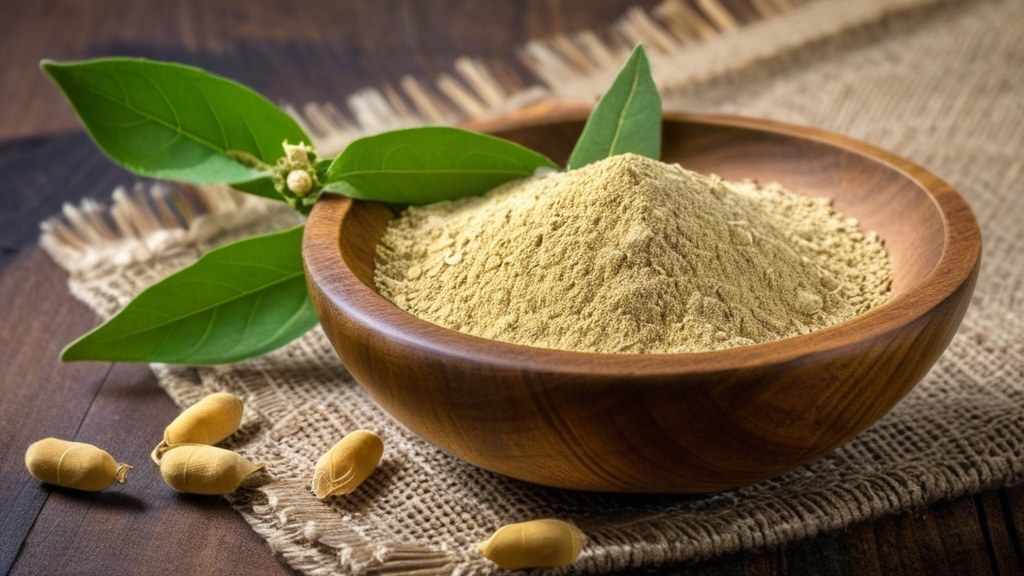
Beyond direct cognitive enhancement, ashwagandha offers significant mental health benefits. These benefits often indirectly support cognitive function. A calm mind is a clear mind.
Easing Stress and Anxiety
Ashwagandha is best known for reducing stress and anxiety. Regular use can lower cortisol levels. Cortisol is the body’s main stress hormone. A systematic review confirms its anti-anxiety effects. [6, 8] Think about feeling overwhelmed before a big presentation. Ashwagandha might help you stay calm and focused.
Improving Sleep Quality
Good sleep is crucial for optimal brain function. Ashwagandha may promote better sleep. People often report falling asleep faster and sleeping more soundly. [6, 8] Imagine feeling truly rested every morning. This can greatly improve your daily focus.
Important Considerations and Safety Guidance
| Benefits | Effects |
|---|---|
| Stress reduction | Reduces cortisol levels |
| Cognitive enhancement | Improves memory and focus |
| Anti-anxiety | Reduces anxiety and depression symptoms |
| Anti-inflammatory | Reduces inflammation in the body |
While ashwagandha shows great promise, it is essential to use it wisely. Always prioritize safety and consult healthcare professionals. Not all supplements are created equal.
Short-Term Use and Tolerability
Short-term use of ashwagandha appears generally safe. Most people tolerate it well. Adverse effects are rare and usually mild. This makes it a popular choice for short-term support.
Long-Term Safety: An Uncharted Territory
Long-term safety data for ashwagandha is not yet established. Researchers are still studying its prolonged effects. This means caution is advisable with extended use. Always follow dosage recommendations.
Who Should Avoid Ashwagandha?
Certain groups should avoid ashwagandha. Pregnant and breastfeeding women are advised against it. People with endocrine disorders should also avoid it. [6, 8] If you have these conditions, do not take ashwagandha. Always talk to your doctor first.
Choosing a Reputable Brand
The quality of ashwagandha supplements varies widely. Look for products from trusted manufacturers. Third-party testing ensures purity and potency. This protects you from low-quality or contaminated products.
Dosage and Administration
Follow the recommended dosage on the product label. Start with a lower dose to assess tolerance. Your healthcare provider can offer personalized advice. They know your health history best.
The Future of Ashwagandha Research
The scientific community continues to explore ashwagandha’s potential. New research is constantly emerging. The future looks bright for this ancient herb.
Advancements in Withanolide Research
Scientists are keenly interested in withanolides. These active compounds are crucial for ashwagandha’s effects. Bioengineering methods are being developed to produce them more efficiently. [4] This could lead to more potent and targeted treatments.
Targeted Cognition-Enhancing Derivatives
Better access to withanolides could lead to new discoveries. Researchers aim to develop ashwagandha derivatives. These new compounds might offer even stronger cognitive benefits. Imagine a highly specific brain booster.
Ongoing Clinical Trials
Many clinical trials are underway. These studies investigate ashwagandha’s impact on various conditions. Expect more definitive answers in the coming years. Science constantly evolves.
Practical Tips for Incorporating Ashwagandha into Your Routine
If you decide to try ashwagandha, integrate it mindfully. Remember, it’s a supplement, not a magic bullet. Support your brain health with a holistic approach.
Consult Your Healthcare Provider
Before starting any new supplement, talk to your doctor. They can advise if ashwagandha is right for you. This is especially important if you have existing health conditions or take other medications. Your doctor knows best.
Start with a Low Dose
Begin with the lowest recommended dose. See how your body reacts. You can gradually increase it if needed. Listen to your body’s signals.
Be Patient and Consistent
Ashwagandha’s effects may not be immediate. It often takes a few weeks to notice changes. Consistency is key for optimal results. Give it time to work.
Combine with Healthy Habits
Ashwagandha works best as part of a healthy lifestyle. Eat a balanced diet. Get regular exercise. Prioritize quality sleep. These habits form a strong foundation for brain health. Think of ashwagandha as a helpful addition, not a replacement.
Monitor Your Body’s Response
Pay attention to how you feel. Do you experience less stress? Is your sleep improving? Keep a journal to track changes. This helps you assess its effectiveness for you.
Conclusion
Ashwagandha offers compelling potential as a nootropic. It primarily shines in alleviating stress and improving sleep. These benefits indirectly support cognitive function. While direct cognitive enhancement is still under investigation, the evidence is growing. Remember to prioritize safety and consult your healthcare provider. Ashwagandha could be a valuable ally in your quest for enhanced mental well-being.
FAQs
What is ashwagandha?
Ashwagandha is an ancient medicinal herb that is classified as an adaptogen, meaning it can help the body manage stress. It has been used for centuries in Ayurvedic medicine to promote overall well-being.
What are the potential benefits of ashwagandha as a nootropic?
Ashwagandha is believed to have cognitive-enhancing properties, including improving memory, focus, and mental clarity. It may also help reduce stress and anxiety, which can in turn support cognitive function.
How does ashwagandha work as a nootropic?
Ashwagandha contains compounds that have been shown to have neuroprotective effects, such as reducing inflammation and oxidative stress in the brain. It may also modulate neurotransmitters like GABA, serotonin, and dopamine, which can impact mood and cognitive function.
Are there any potential side effects of using ashwagandha as a nootropic?
While ashwagandha is generally considered safe for most people, some individuals may experience mild side effects such as upset stomach, diarrhea, or drowsiness. It may also interact with certain medications, so it’s important to consult with a healthcare professional before using it.
How should ashwagandha be taken for its nootropic effects?
Ashwagandha can be taken in various forms, including capsules, powders, or as a liquid extract. The recommended dosage can vary depending on the specific product and individual needs, so it’s best to follow the instructions on the product label or consult with a healthcare provider for personalized guidance.