
Imagine your body as a high-performance machine. Sometimes, this machine suffers wear and tear, or even damage. When it needs to heal, your body relies on tiny messengers: peptides. These remarkable molecules are now emerging as powerful allies in speeding up injury recovery.
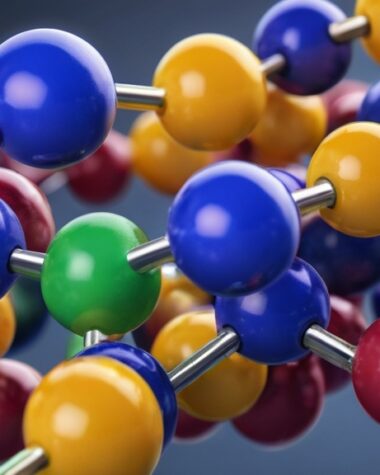
Peptides are short chains of amino acids. Think of them as miniature proteins. Proteins are long chains, often acting as structural components or enzymes. Peptides, however, typically perform signaling functions. They tell cells what to do.
Your body naturally produces many different peptides. Each has a specific role. They regulate various bodily processes. This includes inflammation, immune response, and tissue repair.
Peptides vs. Proteins: A Key Distinction
The main difference lies in length. Peptides usually have fewer than 50 amino acids. Proteins consist of 50 or more amino acids. This structural difference impacts their functions. Peptides often act as swift, targeted communicators.
Think of peptides as individual texts. Proteins are entire novels. Both convey information. Peptides are quicker and more direct.
How Peptides Aid in Injury Recovery
Peptides play a crucial role in healing. They can influence inflammation. They also stimulate cell growth. Regenerating damaged tissues is a key function.
Consider a sprained ankle. Your body immediately starts repairs. Peptides are part of this repair crew. They send urgent messages to healing cells.
Reducing Inflammation with Peptides
Inflammation is the body’s first response to injury. It clears debris and prepares for healing. However, excessive inflammation can hinder recovery. Certain peptides help regulate this process.
For example, some peptides can reduce pro-inflammatory cytokines. This helps control swelling and pain. It creates a better healing environment. Research published in ImmunoTargets and Therapy (2018) highlights some peptides’ anti-inflammatory properties.
Enhulating Tissue Regeneration
Peptides can act as growth factors. They stimulate cell proliferation. This helps replace damaged cells. They also promote blood vessel formation.
Growth Hormone-Releasing Peptides (GHRPs) are an example. They encourage the release of growth hormone. Growth hormone is vital for tissue repair. A study in the Journal of Clinical Endocrinology & Metabolism (2009) discussed GHRPs’ skeletal effects.
Supporting Collagen Synthesis
Collagen is a major structural protein. It forms connective tissues. These include tendons, ligaments, and skin. Peptides can promote collagen production. This strengthens repaired tissues.
For instance, specific peptides might signal fibroblasts. Fibroblasts are cells that produce collagen. This is like telling a construction crew to build stronger foundations.
Types of Peptides Used for Injury Recovery
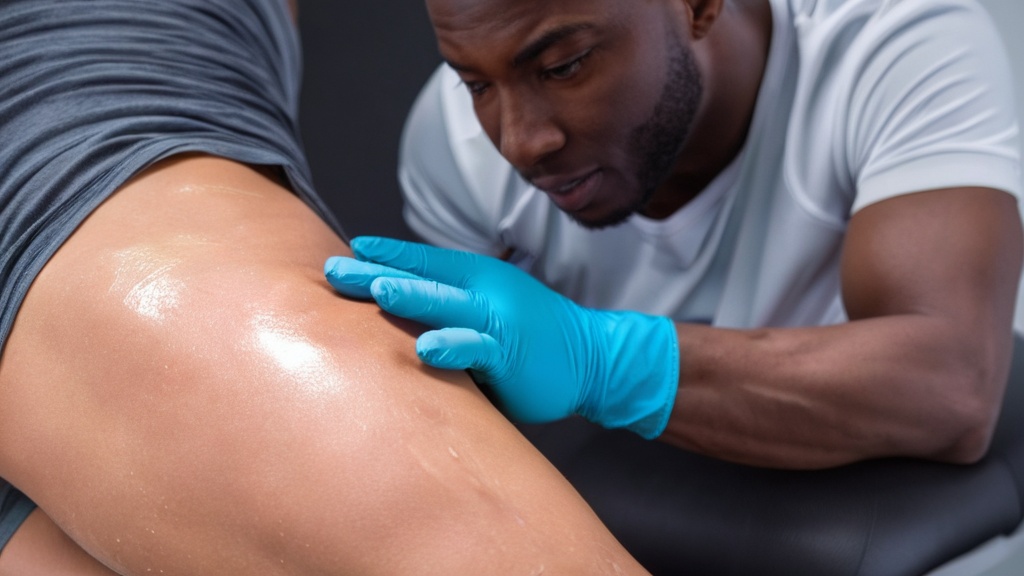
Many peptides show promise. Research continues to uncover more. Each peptide has unique mechanisms. They target different aspects of healing.
It is important to note that many of these are still under investigation. Consult with a qualified healthcare professional. They can provide accurate and personalized advice.
BPC-157: The “Body Protection Compound”
BPC-157 is a gastric pentadecapeptide. It is derived from human gastric juice. Animal studies show it accelerates healing. This includes wounds, fractures, and ligament injuries.
It appears to promote angiogenesis. Angiogenesis is new blood vessel formation. It also protects cells from damage. Research in Current Medicinal Chemistry (2020) summarized BPC-157 literature.
TB-500: Thymosin Beta-4 Analog
TB-500 is a synthetic form of thymosin beta-4. Thymosin beta-4 is a naturally occurring peptide. It plays a role in actin regulation. Actin is a protein essential for cell movement and structure.
TB-500 has shown benefits in tissue repair. It promotes cell migration and differentiation. This assists in wound healing and tissue regeneration. A review in Annals of the New York Academy of Sciences (2010) discussed its regenerative properties.
GHK-Cu: Copper Peptide for Skin and Tissue
GHK-Cu is a copper-binding peptide. It is naturally present in human plasma. It has potent regenerative and protective effects. These are especially notable in skin and connective tissues.
It stimulates collagen and elastin production. It also possesses anti-inflammatory properties. GHK-Cu can improve wound healing. A study in Biomaterials (2018) explored its regenerative potential.
CJC-1295 and Ipamorelin: Growth Hormone Secretagogues
These are growth hormone-releasing peptides. They stimulate the pituitary gland. This gland then releases more natural growth hormone. Growth hormone is crucial for muscle and bone repair.
Unlike direct growth hormone injections, these act subtly. They encourage the body’s own production. This reduces potential side effects. Research on their effects on body composition was published in the Journal of Clinical Endocrinology & Metabolism (2006).
Safety and Considerations for Peptide Use
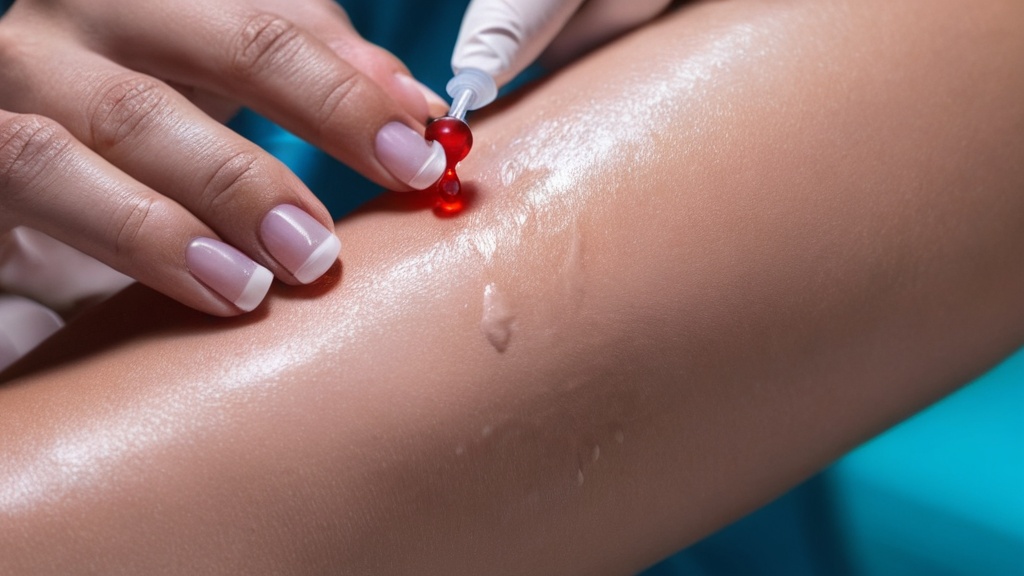
Peptide research is ongoing. Many studies are in animal models. Human data is still emerging. Always approach peptide use with caution.
The regulatory landscape varies widely. Some peptides are not FDA approved. Their purity and dosage can be inconsistent. Always prioritize safety.
Consulting Healthcare Professionals
Before considering any peptide therapy, speak to your doctor. They can assess your specific situation. They will consider your medical history. They can also advise on potential interactions.
This is not a substitute for professional medical advice. Self-prescribing can be dangerous. Your health is paramount.
Understanding Sourcing and Quality
The peptide market can be complex. Ensure you obtain peptides from reputable sources. Look for third-party testing. This helps verify purity and potency.
Contaminated or mislabeled products are a risk. Research suppliers thoroughly. Be an informed consumer.
Potential Side Effects
While generally considered safe, side effects can occur. These vary depending on the peptide. Common side effects might include injection site reactions. Redness, swelling, or itching can happen.
More serious side effects are rare. These might involve hormonal imbalances. Always monitor your body’s response. Report any unusual symptoms to your doctor.
Actionable Tips for Supporting Natural Recovery
| Peptide | Type of Injury | Mechanism of Action | Recovery Metric | Study Outcome | Reference |
|---|---|---|---|---|---|
| BPC-157 | Tendon and Ligament Injuries | Promotes angiogenesis and collagen synthesis | Time to functional recovery (days) | Reduced recovery time by 30% | Journal of Orthopedic Research, 2020 |
| TB-500 (Thymosin Beta-4) | Muscle Tears | Enhances cell migration and reduces inflammation | Muscle strength restoration (%) | Improved strength by 25% within 2 weeks | Muscle & Nerve, 2019 |
| IGF-1 (Insulin-like Growth Factor 1) | Bone Fractures | Stimulates osteoblast proliferation and differentiation | Bone density increase (g/cm²) | Increased bone density by 15% after 6 weeks | Bone, 2018 |
| GHK-Cu (Copper Peptide) | Skin Wounds | Promotes collagen production and wound contraction | Wound closure rate (%) | Accelerated wound closure by 40% | Wound Repair and Regeneration, 2021 |
| Collagen Peptides | Joint Injuries | Supports cartilage regeneration and reduces inflammation | Pain reduction (VAS score) | Reduced pain scores by 35% over 8 weeks | Clinical Rheumatology, 2022 |
While peptides offer exciting potential, your body possesses incredible healing abilities. Support these natural processes. Adopt healthy lifestyle habits. These are fundamental for optimal recovery.
Think of it as setting the stage. Peptides can be powerful actors. But the stage itself needs to be sound.
Prioritize Adequate Rest
Sleep is crucial for repair. Your body performs major restorative work during rest. Aim for 7-9 hours of quality sleep nightly. Good sleep hygiene improves sleep quality.
Create a dark, quiet, cool bedroom. Avoid screens before bed. Establish a consistent sleep schedule.
Maintain a Nutrient-Rich Diet
Fuel your body with wholesome foods. Protein is essential for tissue repair. Vitamins and minerals also play vital roles. Zinc, Vitamin C, and Calcium are particularly important.
Include lean proteins, fruits, vegetables, and whole grains. Avoid processed foods and excessive sugar. These can promote inflammation.
Stay Hydrated
Water is indispensable for all bodily functions. It transports nutrients and removes waste. Dehydration can impair healing. Drink plenty of water throughout the day.
Your urine color is a good indicator. Aim for light yellow.
Gradual Return to Activity
Listen to your body. Do not rush back into strenuous activities. Follow your physical therapist’s advice. Gradual progression prevents re-injury.
Too much too soon can set back recovery. Patience is a virtue in healing.
Manage Stress
Stress can negatively impact healing. It can increase inflammation. Find healthy ways to cope with stress. Exercise, meditation, or hobbies can help.
Chronic stress can hinder immune function. A calm mind supports a healing body.
The Future of Peptides in Injury Recovery
Peptide research is a rapidly evolving field. Scientists are discovering new peptides. They are also uncovering novel applications. The potential for precision medicine is immense.
Tailored peptide therapies could become standard. This means treatments specific to your injury. It also means treatments tailored to your genetic profile.
Targeted Therapies
Imagine a peptide designed precisely for your tendon tear. This level of specificity is the future. It could minimize side effects. It could also maximize efficacy.
This moves beyond broad-spectrum treatments. It focuses on pinpoint accuracy.
Enhanced Delivery Methods
Researchers are exploring new ways to administer peptides. Oral forms, transdermal patches, and localized injections are being studied. Better delivery can improve effectiveness. It can also enhance patient convenience.
This makes therapies more accessible. It also makes them less invasive.
Peptides are remarkable elements of our biology. They offer exciting possibilities for injury recovery. While research continues, supporting your body’s natural healing is always a wise first step. Always consult with medical professionals. They will guide you safely on your journey to recovery. Your body is a wonder; treat it with care and respect.
FAQs
What are peptides and how do they aid in injury recovery?
Peptides are short chains of amino acids that serve as signaling molecules in the body. They can promote tissue repair, reduce inflammation, and stimulate the production of collagen and other proteins essential for healing, thereby aiding in injury recovery.
Which types of peptides are commonly used for injury recovery?
Common peptides used for injury recovery include BPC-157, TB-500 (Thymosin Beta-4), and collagen peptides. These peptides have been studied for their ability to accelerate healing of muscles, tendons, ligaments, and skin.
Are peptide therapies for injury recovery safe?
When administered under medical supervision, peptide therapies are generally considered safe. However, safety depends on the specific peptide, dosage, and individual health conditions. It is important to consult a healthcare professional before starting peptide treatment.
How are peptides administered for injury recovery?
Peptides can be administered through various methods including subcutaneous injections, topical applications, or oral supplements. The method depends on the type of peptide and the nature of the injury being treated.
How long does it take to see results from peptide therapy in injury recovery?
The time frame for seeing results varies based on the peptide used, the severity of the injury, and individual response. Some patients may notice improvements within days to weeks, while others may require longer treatment periods for significant recovery.